Pride Month
Pride Month
Pride Month is celebrated annually in June to honor the 1969 Stonewall riots in New York City, a turning point in the LGBTQ+ rights movement. It is a time for global celebrations, parades, and reflection on LGBTQ+ rights.
Discover the sheridan life.
Pride Month is celebrated annually in June to honor the 1969 Stonewall riots in New York City, a turning point in the LGBTQ+ rights movement. It is a time for global celebrations, parades, and reflection on LGBTQ+ rights.
National Indigenous History Month is celebrated in Canada every June to honor the history, heritage, resilience, and diversity of First Nations, Inuit, and Métis peoples. It serves as an opportunity to learn about Indigenous cultures, with June 21 marking National Indigenous Peoples Day.
June is officially designated as Filipino Heritage Month in Canada, celebrating the rich culture, traditions, and significant contributions of Filipino-Canadians to the country's social and economic fabric. Proclaimed nationally in 2018, this month-long celebration highlights the fastest-growing Asian community in Canada!
National Indigenous Peoples Day is celebrated annually in Canada on June 21 to recognize the cultures, traditions, and contributions of First Nations, Inuit, and Métis peoples. Held on the summer solstice, it offers a time for celebration and reflection on Indigenous history.
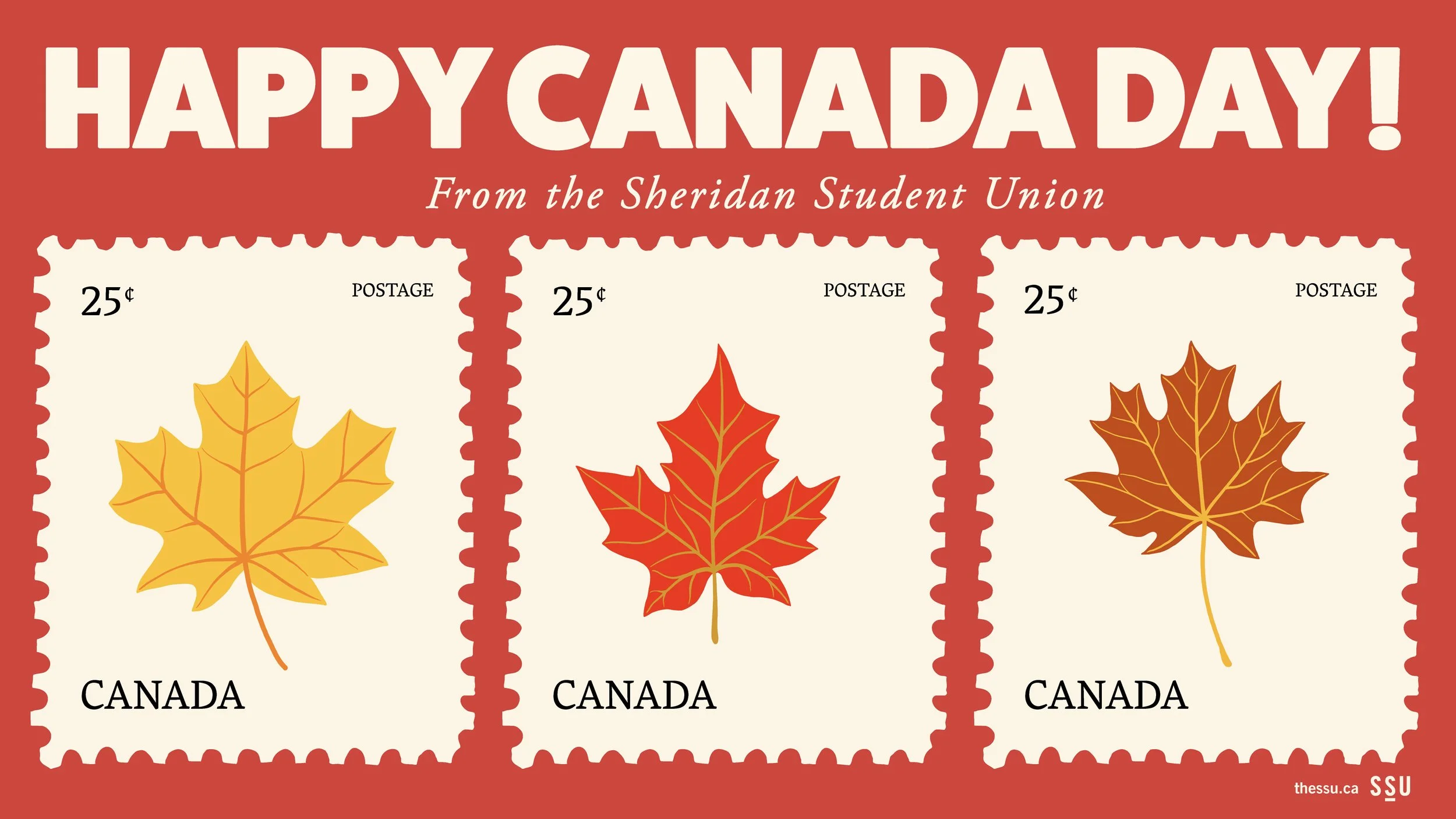
Canada Day, celebrated annually on July 1, is a federal statutory holiday marking the anniversary of the July 1, 1867, Confederation that created Canada. It commemorates the unification of Nova Scotia, New Brunswick, and the Province of Canada into a single dominion. Festivities include fireworks, parades, and concerts, with major events held on Parliament Hill in Ottawa.
The fourth week of September is Gender Equality Week in Canada, a time to highlight progress made to advance gender equality, celebrate women’s achievements, and reaffirm Canada’s commitment to closing persistent gender gaps that hold too many back. Gender Equality Week was created through Bill C-309, the Gender Equality Week Act, which became law on June 21, 2018.
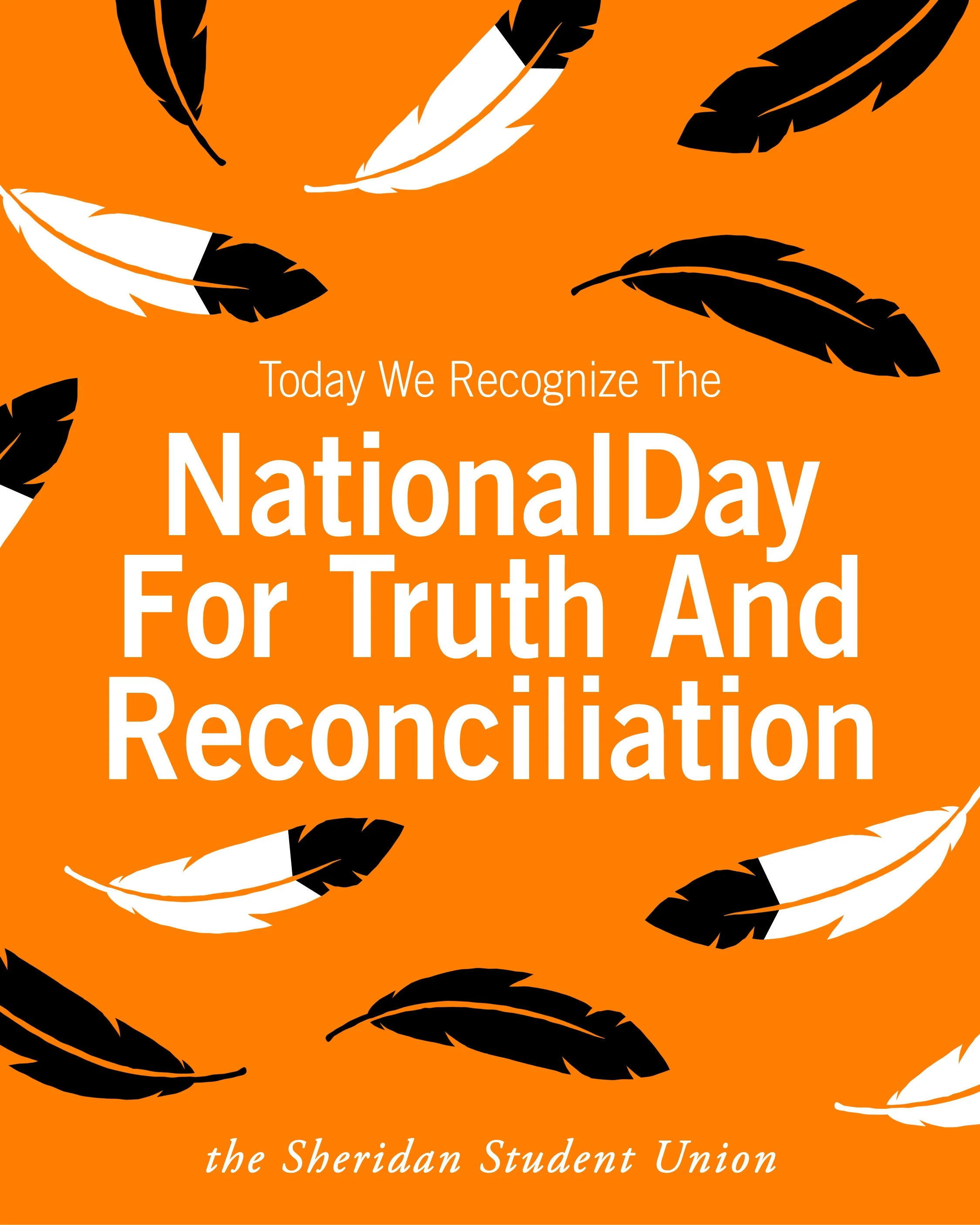
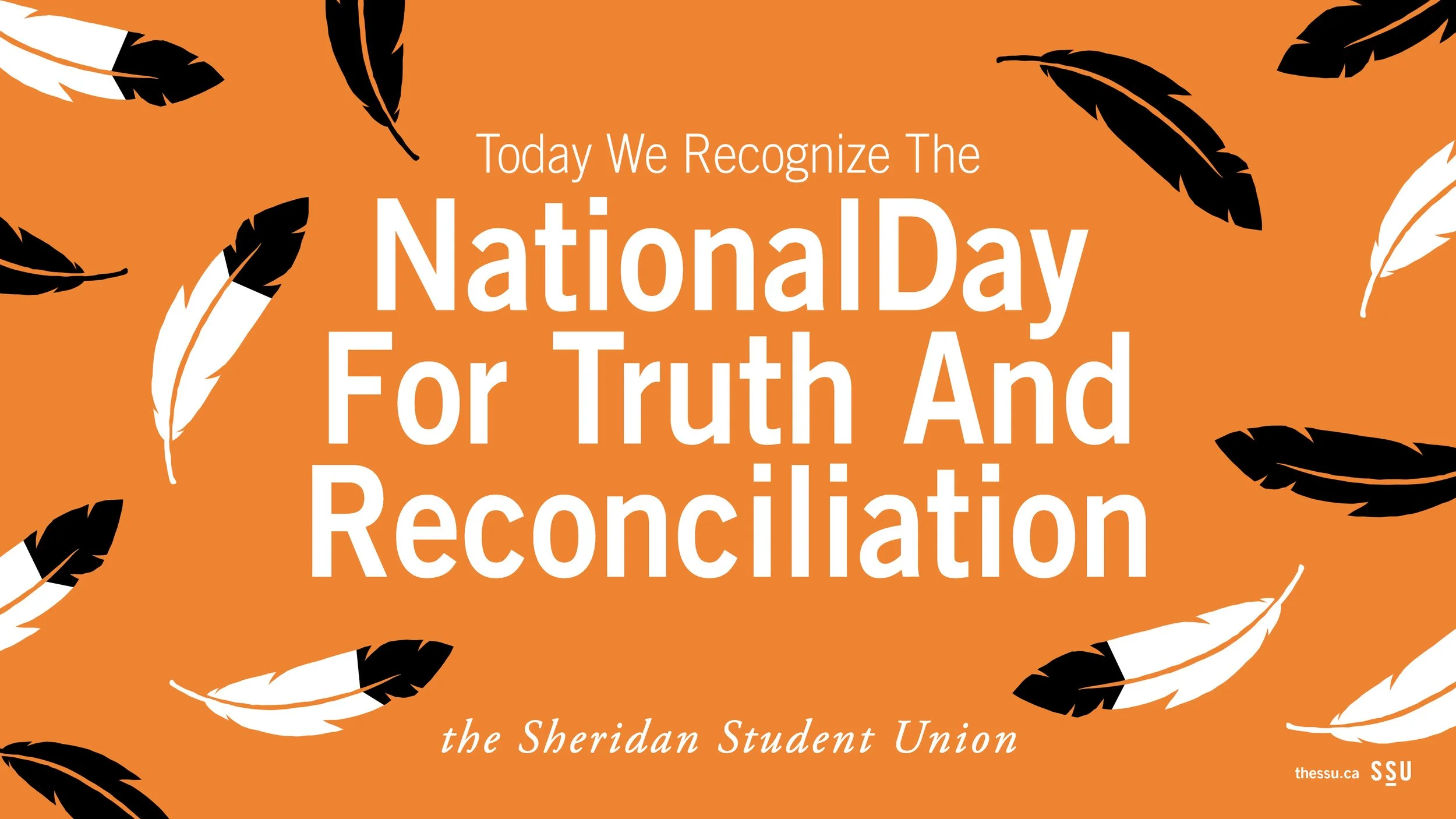
National Day for Truth and Reconciliation – also known as Orange Shirt Day – is a day for remembrance, mourning, learning and growth. It is an opportunity to honour the survivors, families and communities impacted by residential schools and the continued trauma faced by Indigenous communities throughout the country and to commit to the ongoing process of reconciliation. September 30 is an opportunity to create meaningful discussion and reflection to reaffirm that survivors, and all those that have been affected, matter. Every Child Matters.
Women's History Month highlights the contributions of women to history and society. In Canada, it is celebrated annually in October, designated in 1992 to coincide with Persons Day (October 18). It honors achievements, promotes gender equality, and often features themes focusing on women’s economic, social, and political impact.
October is officially recognized as Latin American Heritage Month in Canada, first designated by Parliament in 2018 to celebrate the significant contributions of Latin Americans to the country's social, economic, and political fabric. It highlights the vibrant cultures, traditions, and history of a community with over 580,000 members across Canada
World Mental Health Day is observed annually on October 10 to raise global awareness, reduce stigma, and mobilize efforts in support of mental health. It focuses on education and advocacy.
International Day of the Girl Child is an international observance day declared by the United Nations; it is also called the Day of Girls and the International Day of the Girl. October 11, 2012, was the first Day of the Girl Child.
Hindu Heritage Month is observed annually in November in Canada to celebrate and honor the rich, diverse contributions of the Hindu community to the country's social, cultural, and economic fabric. It highlights Hinduism's 5,000-year history, promoting values like peace, respect for nature, and the concept of Vasudhaiva Kutumbakam.
Veterans’ Week in Canada, held annually in November, is a dedicated period to honor the service, courage, and sacrifice of Canadian Armed Forces (CAF) members, Royal Canadian Mounted Police (RCMP), and veterans who served in times of war, military conflict, and peace.
Indigenous Veterans Day is observed annually in Canada on to honor the 7000+ First Nations, Inuit, and Métis members who served in the World Wars, Korean War, and modern operations. Established in 1994, it recognizes their immense sacrifices and combat roles despite facing systemic discrimination, forced enfranchisement, and denial of benefits upon returning home.
Remembrance Day honors the service and sacrifice of veterans, the Armed Forces, and the RCMP. It marks the 1918 armistice ending the First World War. Canadians pause for two minutes of silence, wear poppies, and attend services to remember those who served.
Transgender Awareness Week is an annual celebration of the contributions of transgender people, and an opportunity to address barriers to the safety, equality and acceptance for all transgender people, including youth and families.
Transgender Day of Remembrance (TDoR) is observed to honor the memory of transgender people whose lives were lost to anti-transgender violence. Founded in 1999 by Gwendolyn Ann Smith to memorialize Rita Hester, this international day highlights the, often disproportionate, violence faced by the trans community.
The International Day of Persons with Disabilities (IDPD) promotes the rights, well-being, and inclusion of people with disabilities. Proclaimed by the UN in 1992, it aims to increase awareness of disability issues and remove environmental and social barriers.
Human Rights Day commemorates the UN General Assembly's adoption of the Universal Declaration of Human Rights (UDHR) in 1948. It highlights the fundamental rights and freedoms to which everyone is entitled, regardless of race, religion, sex, or status.
Tamil Heritage Month is celebrated annually in January, particularly in Canada, to honor the rich history, culture, and contributions of the Tamil community. It coincides with the Tamil festival of Thai Pongal, marking the start of the Tamil month of Thai. The month highlights Tamil achievements in arts, science, and education, promoting awareness of their 2,000+ year history.
World Day for African and Afrodescendant Culture aims to celebrate the many vibrant cultures of the African continent and African Diasporas around the world, and promotes them as an effective lever for sustainable development, dialogue and peace. As a rich source of the world’s shared heritage, promoting African and Afrodescendant culture is crucial for the development of the continent, and for humanity as a whole.
In 2005, January 27 was designated as the annual International Day of Commemoration in memory of the victims of the Holocaust. Each year, people around the world pause to remember the six million victims of Nazi persecution, and to reflect on the lessons of the Holocaust. It is also a time to acknowledge and confront the enduring dangers of antisemitism, hatred, and intolerance.
Black History Month is annually celebrated in Feburary, across North America and many parts of the world. It is a time to reflect on the history of Black communities around the world, while also supporting and empowering the future of Black people!
Ramadan is the ninth month of the Islamic calendar, observed by Muslims worldwide as a month of fasting, prayer, reflection, and community. From dawn until sunset, adults fast from food and drink to cultivate self-discipline, gratitude, and spiritual growth, concluding with the festival of Eid al-Fitr.
Valentine’s Day derives from traditional customs honouring Saint Valentine, an influential Roman priest regarded as an icon of romantic devotion and love.
International Women's Day is a time to celebrate the progress made in advancing women’s rights and highlight the ongoing efforts needed to ensure their full participation in all aspects of society. It emerged from the activities of labour movements in North America and Europe and reflected a growing call for women’s equal participation in society.
On March 20, the First Nations Health Authority (FNHA) celebrates Two-Spirit and Indigenous LGBTQQIA+ Awareness Day, a time to honour the rich diversity of Two-Spirit identities and expressions. This day serves as a platform to raise awareness about the unique experiences of Two-Spirit and Indigenous LGBTQQIA+ individuals, acknowledging their resilience and contributions to our communities.
International Transgender Day of Visibility is an annual event dedicated to celebrating transgender people, raising awareness of discrimination faced by transgender people, and acknowledging their contributions to society.
National Indigenous Languages Day honors, revitalizes, and celebrates the rich diversity of First Nations, Inuit, and Métis languages. Established in 1989 by the Assembly of First Nations, this day highlights the importance of over 70 distinct languages—spanning 12 language families—as fundamental to cultural identity, worldview, and connection to the land.
Men's Mental Health Awareness Day is observed annually on June 13th to reduce stigma, normalize conversations, and address the silent crisis of male self inflicted death and depression. It highlights and encourages seeking support for mental health issues.
National Accessibility Week in Canada, occurring annually from the last Sunday in May, celebrates the contributions of people with disabilities and promotes barrier-free communities. It highlights efforts to create an inclusive, accessible Canada.
The International Day Against Homophobia, Biphobia and Transphobia is observed on 17 May and aims to coordinate international events that raise awareness of LGBTQ rights violations and stimulate interest in LGBTQ rights work worldwide. By 2016, the commemorations had taken place in over 130 countries.
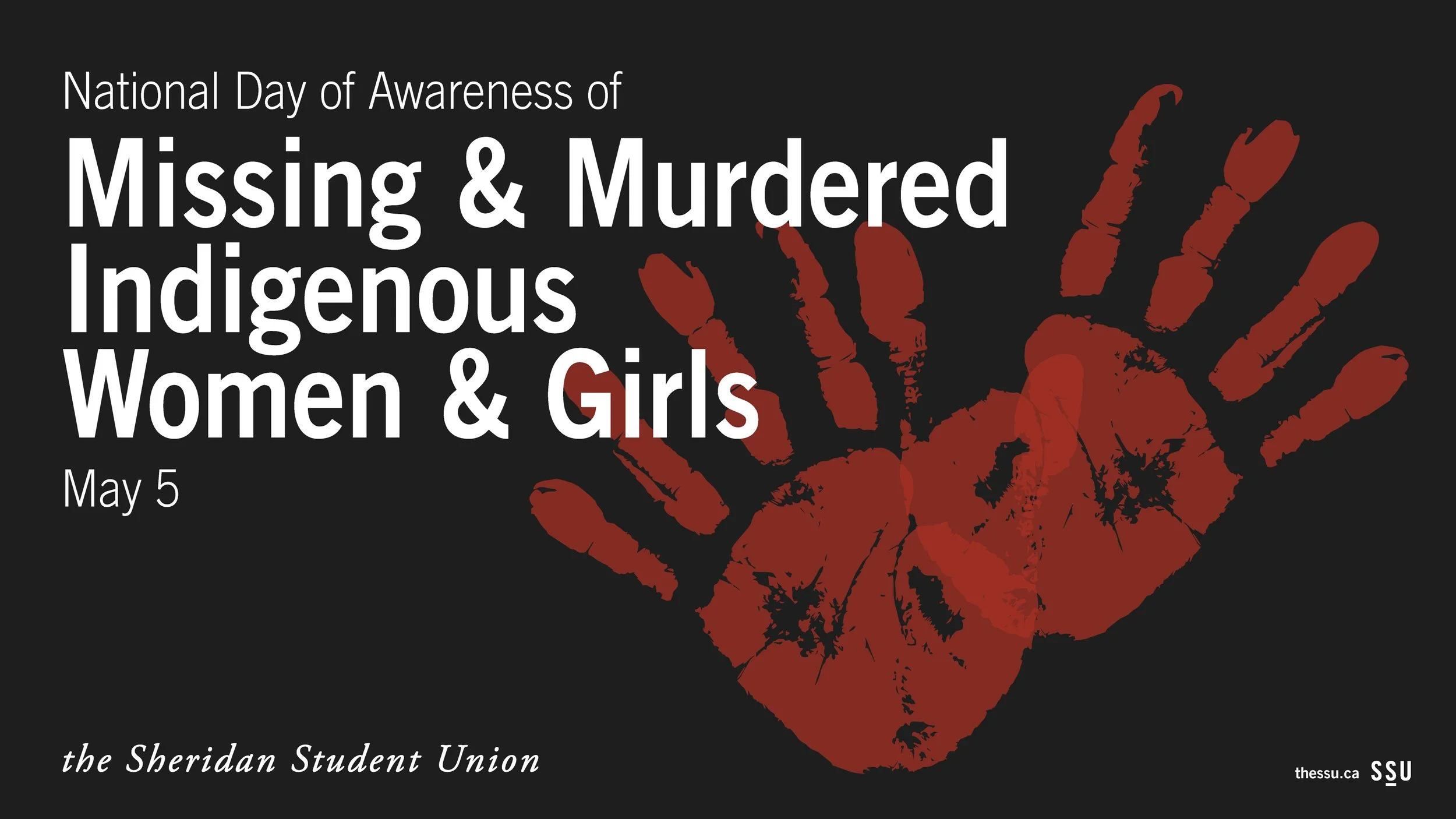
The National Day of Awareness for Missing and Murdered Indigenous Women, Girls, and 2SLGBTQI+ People (MMIWG2S), known as Red Dress Day, is observed annually on May 5. It honors victims, raises awareness of the disproportionately high rates of violence against Indigenous people, and calls for action to address this ongoing crisis of colonial violence.
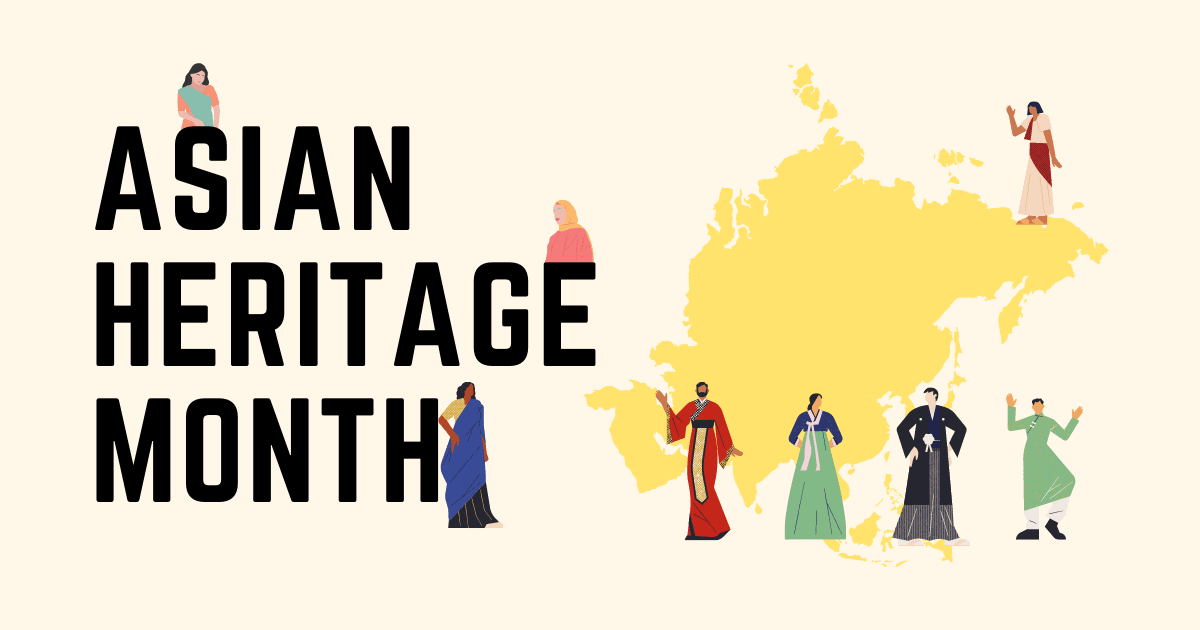
Asian Heritage Month is an opportunity for us to learn more about the diverse culture and history of Asian communities in Canada, as well as to acknowledge the many achievements and contributions of people of Asian origin who, throughout our history, have done so much to make Canada the country we know and love.
Lesbian Visibility runs from April 20 to April 26. It celebrates lesbians and queer women, including trans and non-binary individuals, to increase representation, fight discrimination, and foster community, particularly focusing on health and wellbeing.
June is officially designated as Filipino Heritage Month in Canada, celebrating the rich culture, traditions, and significant contributions of Filipino-Canadians to the country's social and economic fabric. Proclaimed nationally in 2018, this month-long celebration highlights the fastest-growing Asian community in Canada, with June 12th specifically marking Philippine Independence Day.
Celebrate Sikh Heritage Month this April! Whether or not you’re part of the community, take some time to learn more and appreciate the Sikh community!