

Exploring the customs that bring us together.
By: Laura
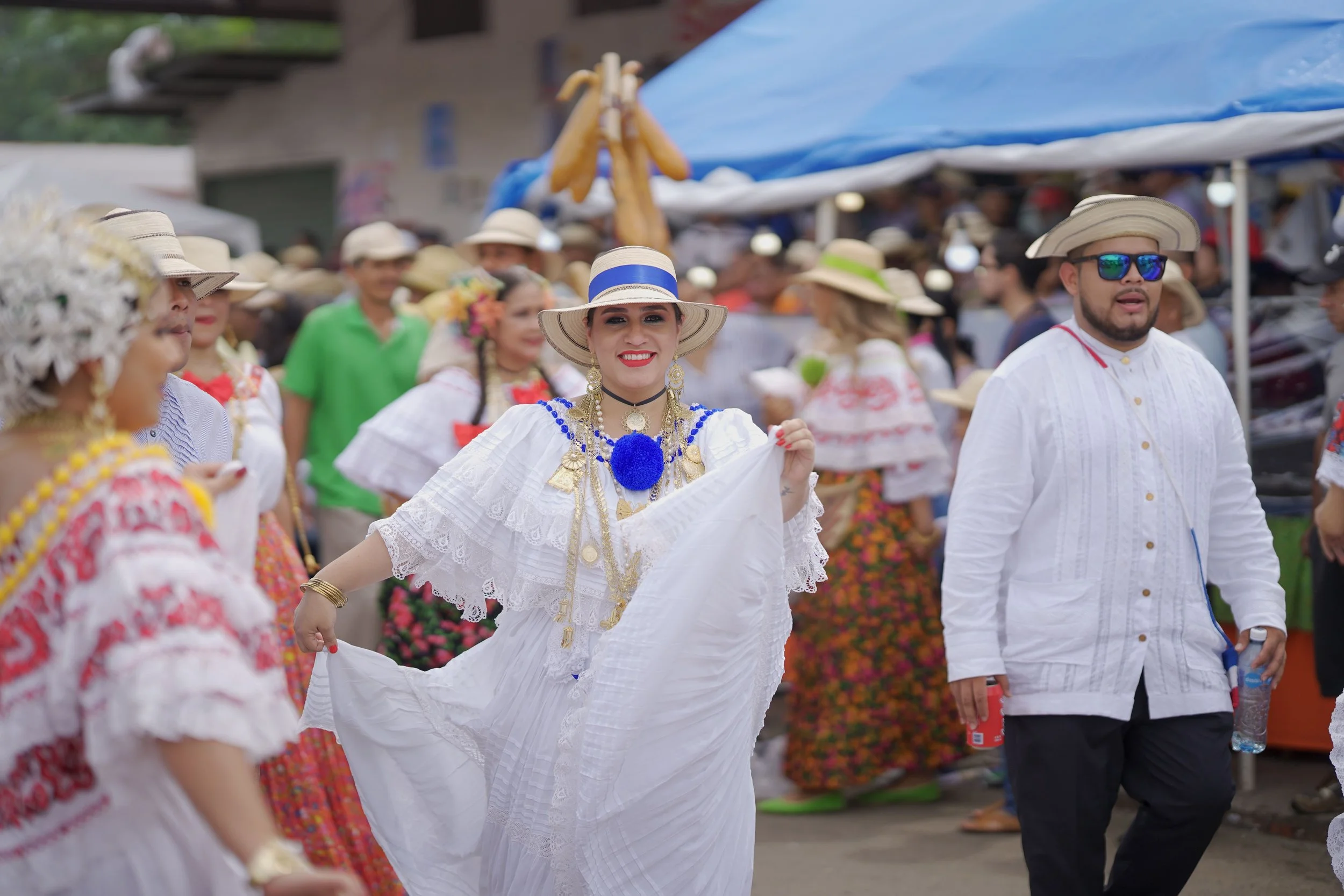
Latin America is a rich and diverse continent when it comes to traditions. Every country has its own customs, celebrations, foods, music, and ways of bringing people together. As someone from Colombia, I grew up surrounded by traditions that were passed down from generation to generation. These traditions connect us to our families, our communities, and our cultural roots.
Traditions are an important part of how we preserve our history and identity. They can be seen in the celebrations we share with our families, the food we prepare, the music we listen to, and the ways we come together for important occasions. While many traditions are shared across Latin America, they can vary from country to country, region to region, and even from family to family.
For our ancestors, traditions were a way to create memories, strengthen relationships, celebrate important moments, and pass knowledge from one generation to the next. Many of these customs continue today, adapting to modern life while still maintaining their cultural meaning.
What can be defined as a tradition? A tradition is a custom, practice, belief, or celebration that is passed down through generations within a family, community, or culture. In Latin America, traditions take many forms and reflect the diverse histories and influences that have shaped the continent.
Here are some of the most popular Latin American traditions:
Dia de los Muertos (Day of the Dead) - Mexico
One of the most well-known Latin American traditions, Día de los Muertos is a traditional Mexican holiday that is also celebrated in different forms across many Latin American countries. The celebration commemorates the lives of those who have passed away and focuses on honoring their memories, lives, and lasting presence in the lives of their loved ones.
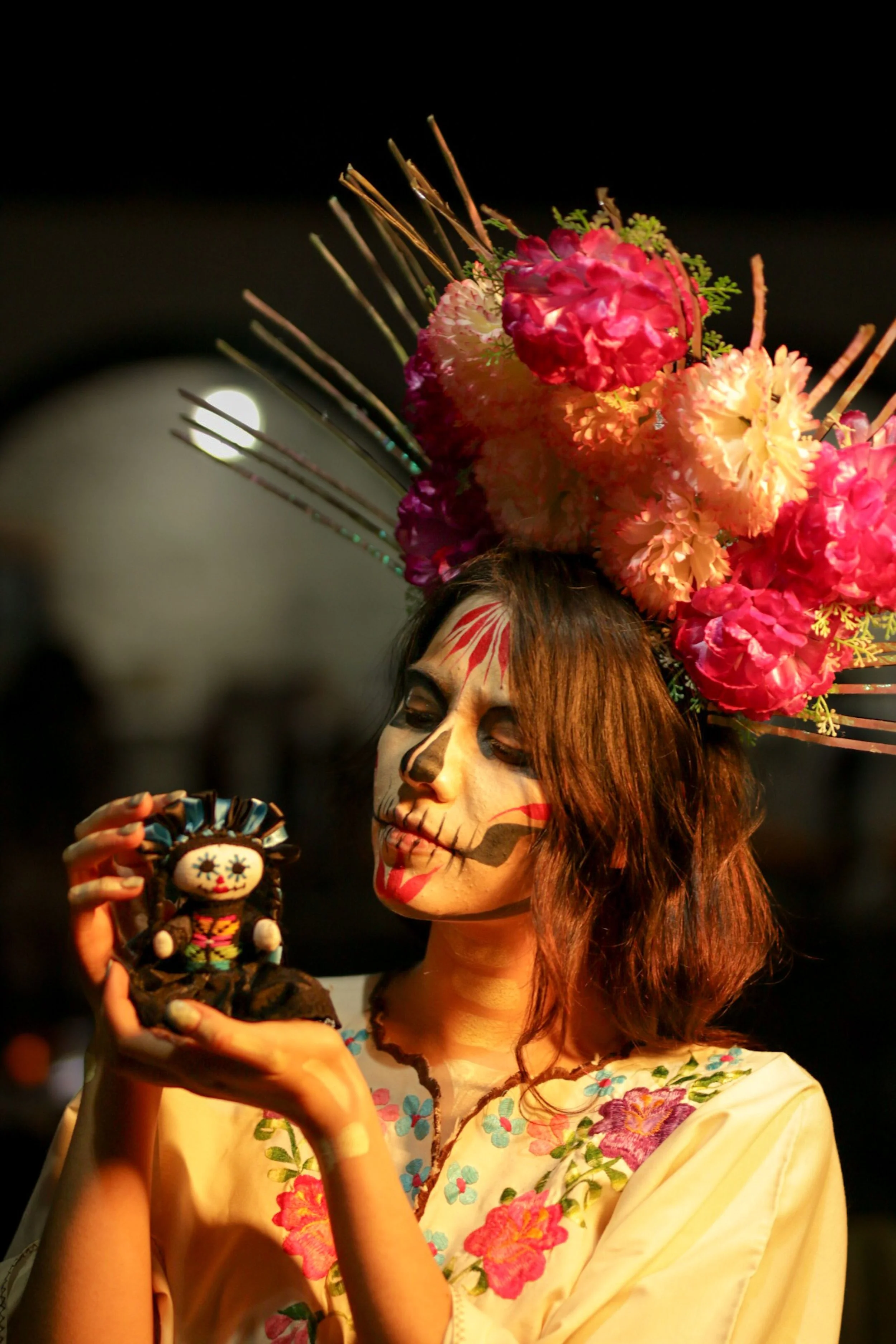
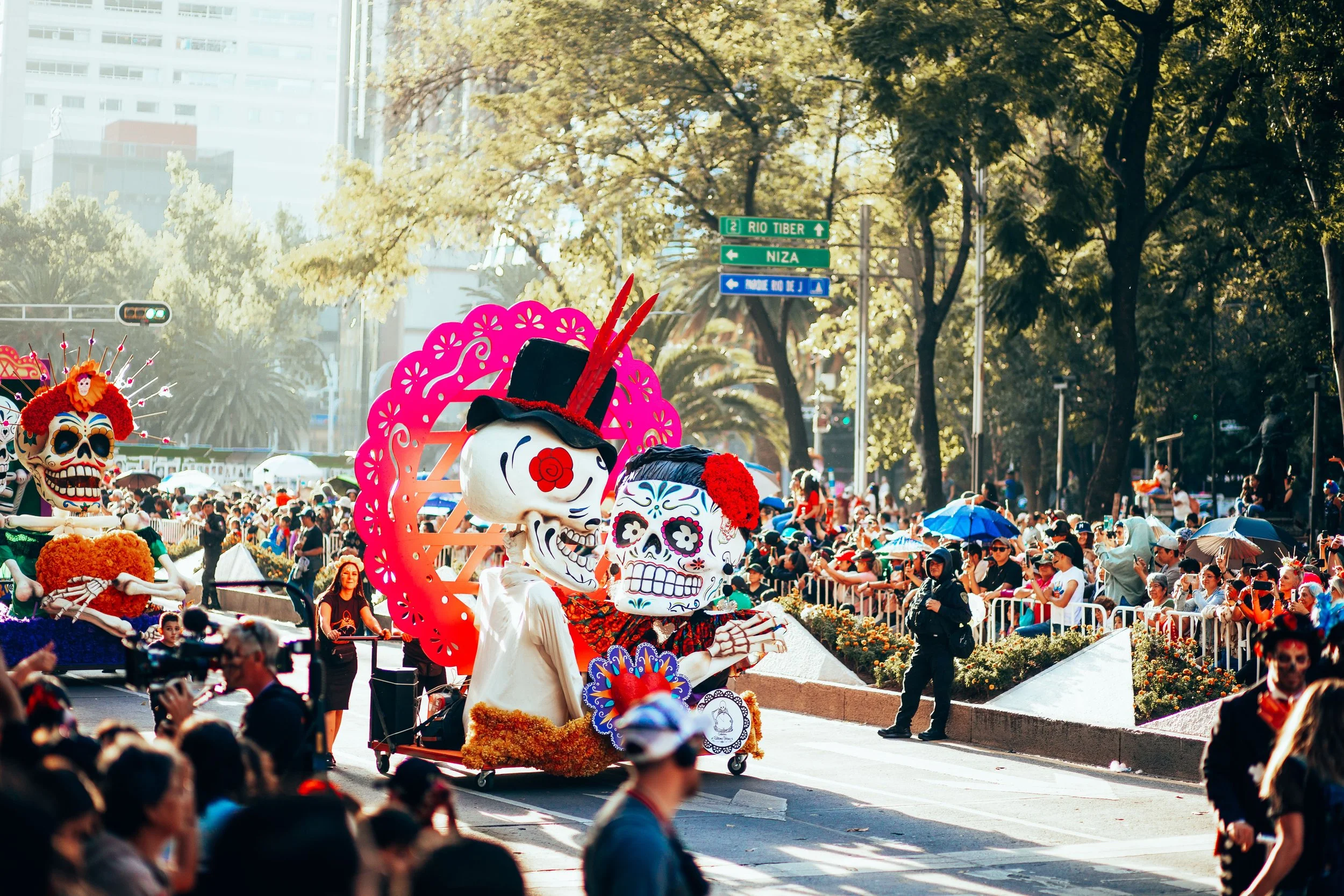
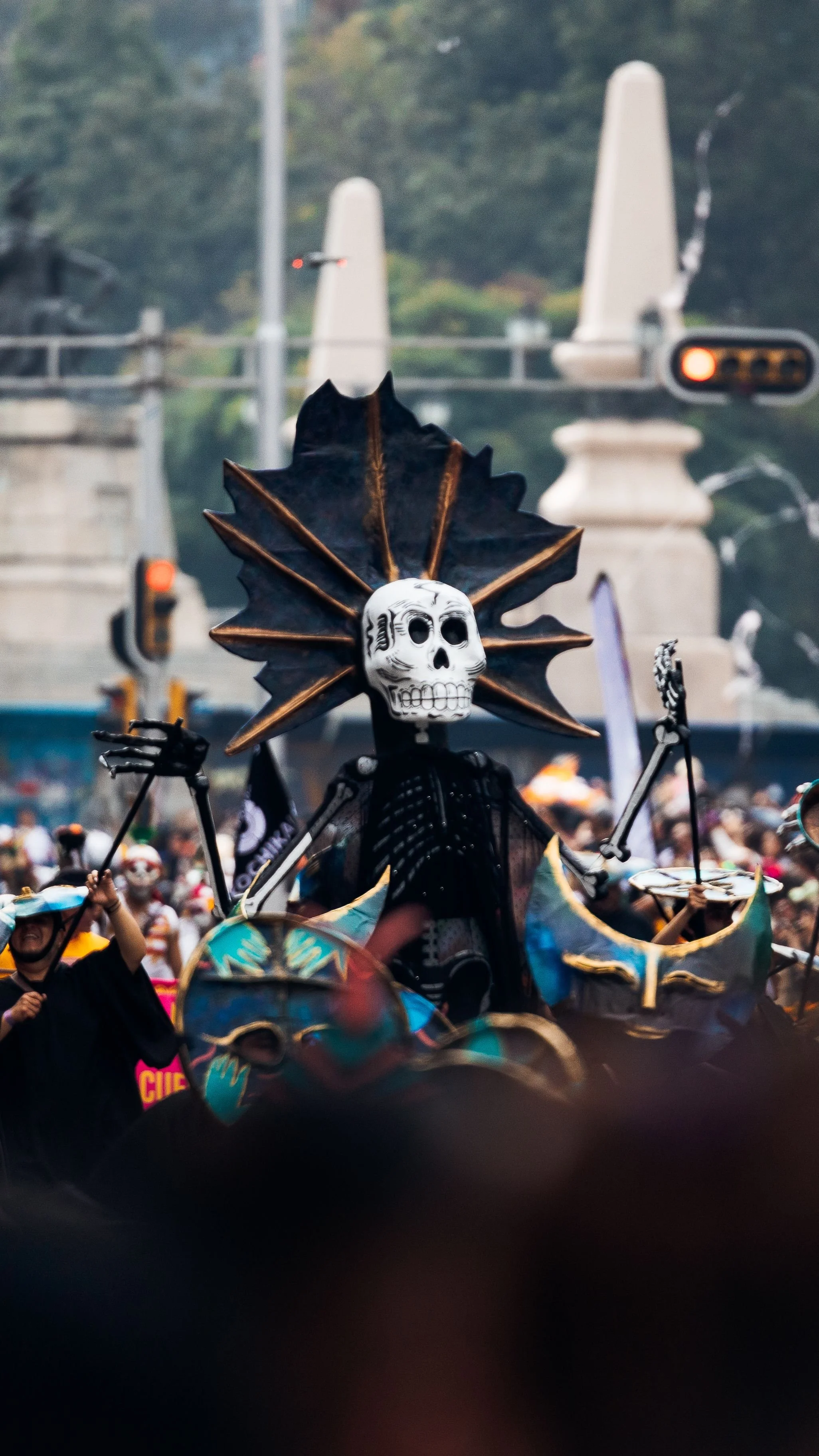
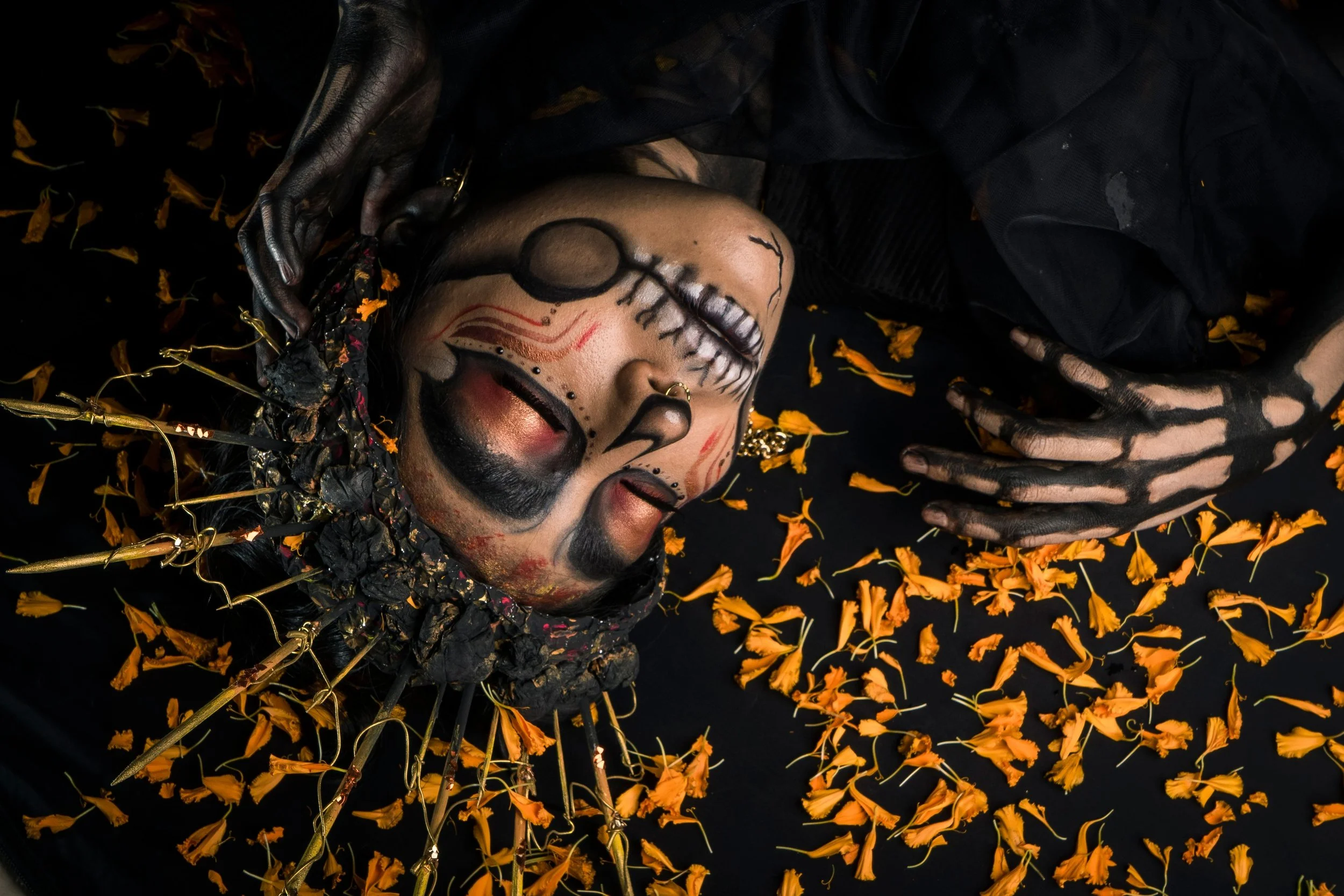
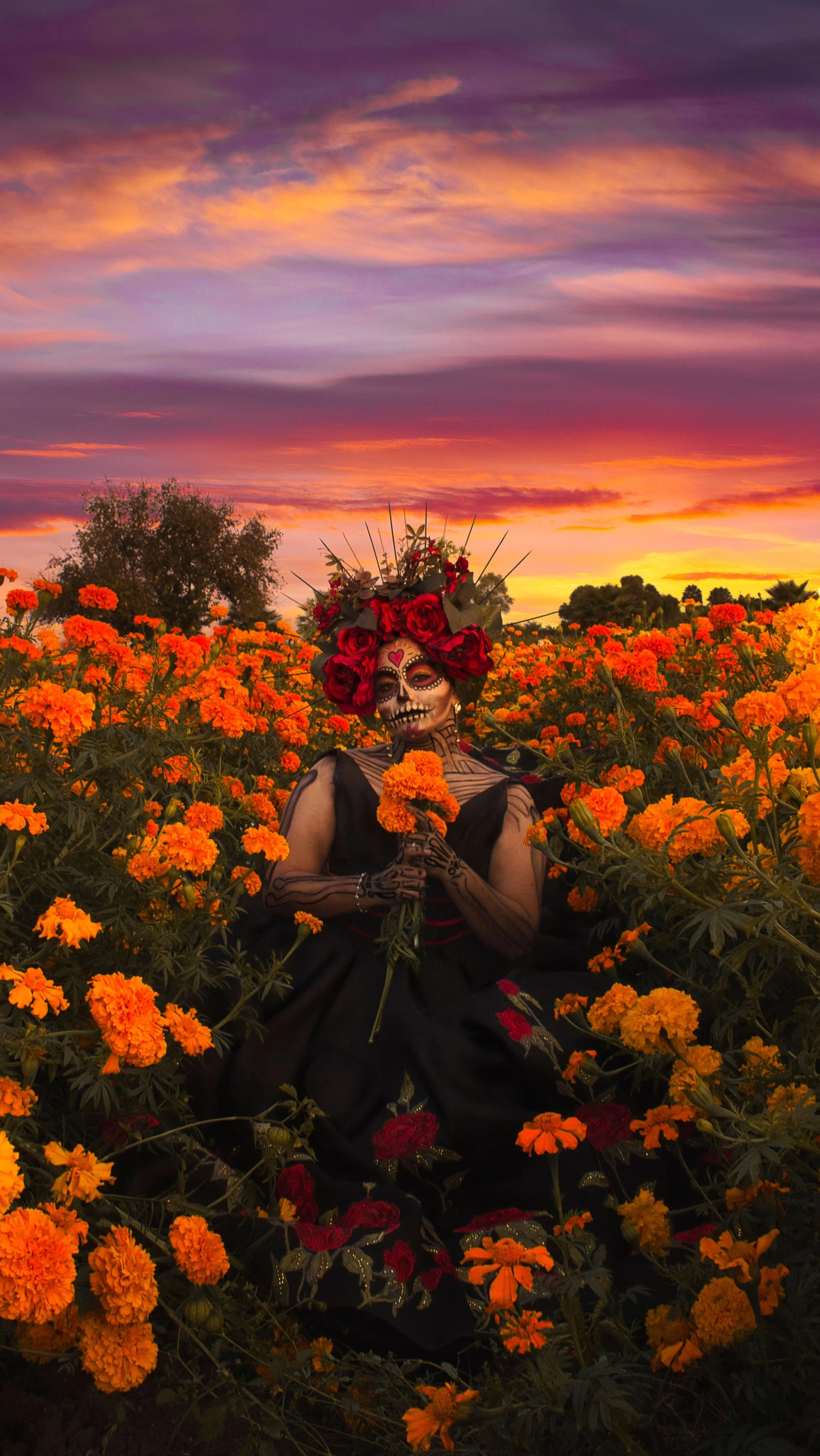
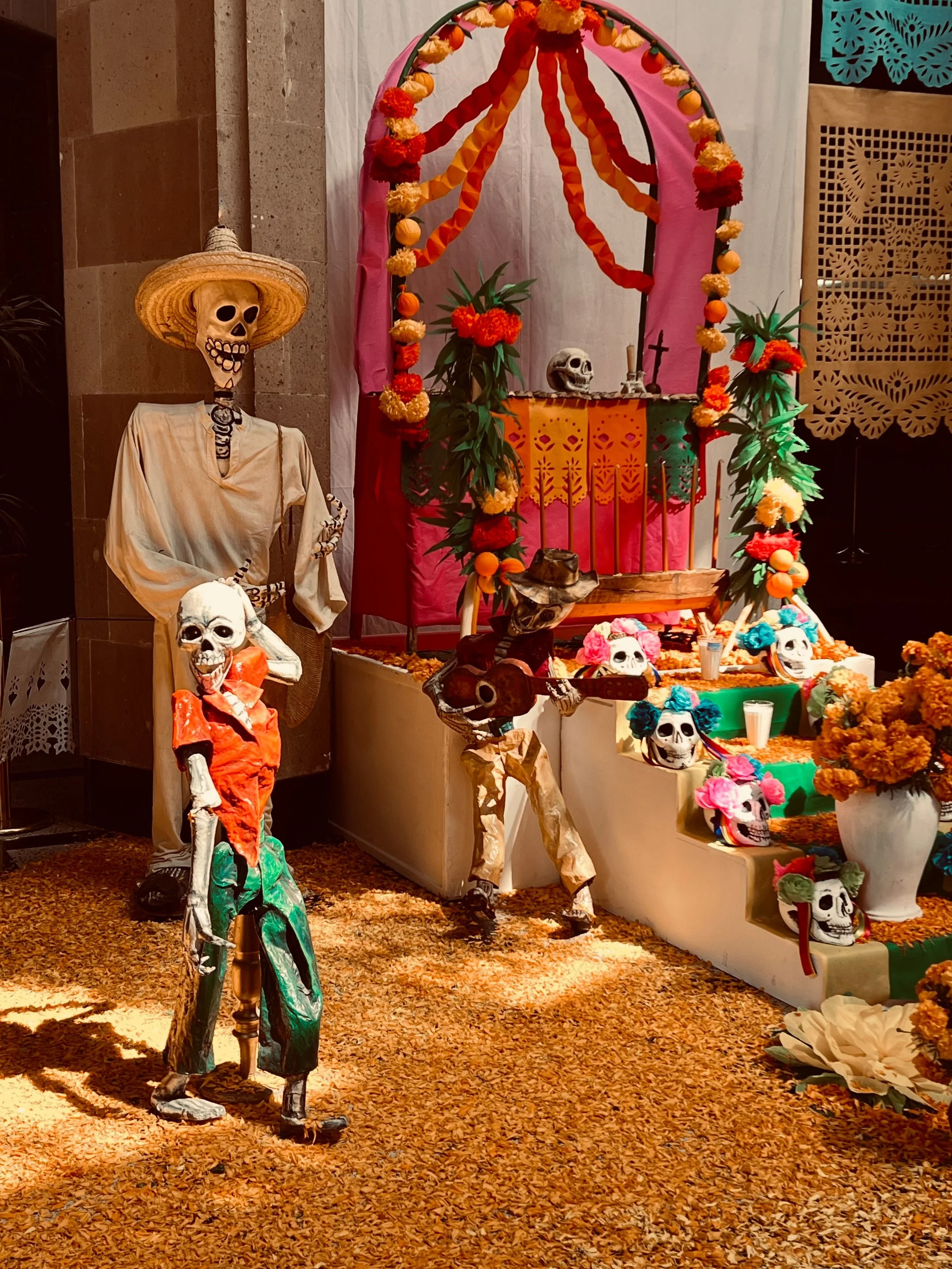
Although the holiday centers around death, Día de los Muertos is anything but gloomy. It is a colorful and lively celebration filled with music, food, flowers, art, and family gatherings. Taking place on November 1 and 2, the festivities can include parades, singing, dancing, traditional costumes, and respectful ceremonies at gravesites. Families may also create colorful altars, known as ofrendas, decorated with photographs, candles, flowers, and favorite foods of those who have passed.
Rather than viewing death only as an ending, Día de los Muertos creates an opportunity for families and communities to remember their loved ones and celebrate the lives they shared. It is a beautiful example of how traditions can bring generations together and keep memories alive. If you want to learn more about this tradition, check out this other blog, Day of the Dead: The Gifts of Remembering.
Carnival - Rio de Janeiro, Brazil
It is likely that you have heard of this celebration before. Carnival is one of the most famous festivities in Latin America and is especially celebrated throughout Brazil and the Caribbean. For several days in February or March, the streets of Rio de Janeiro transform into vibrant scenes filled with music, dancing, elaborate costumes, and spectacular parades.
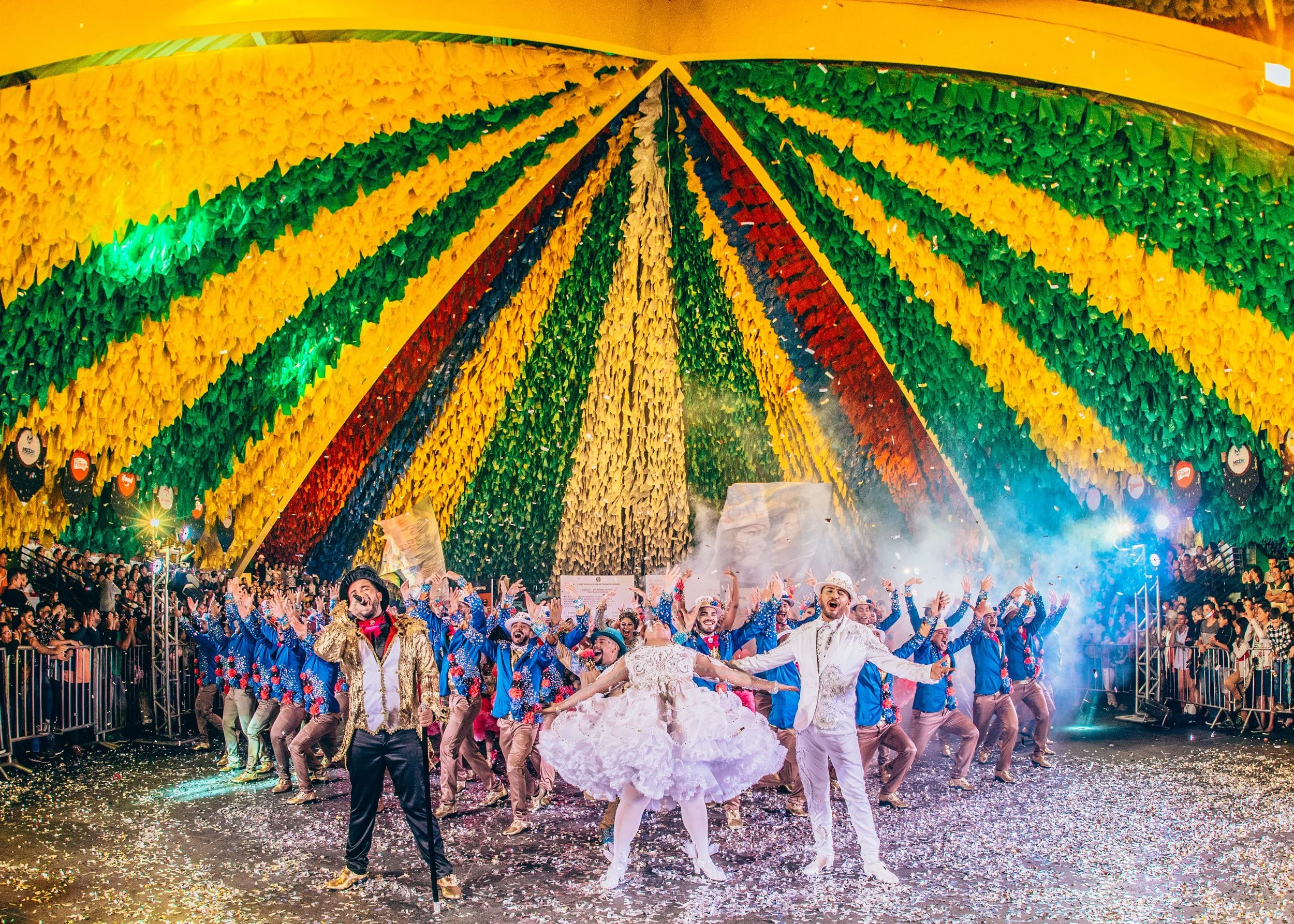
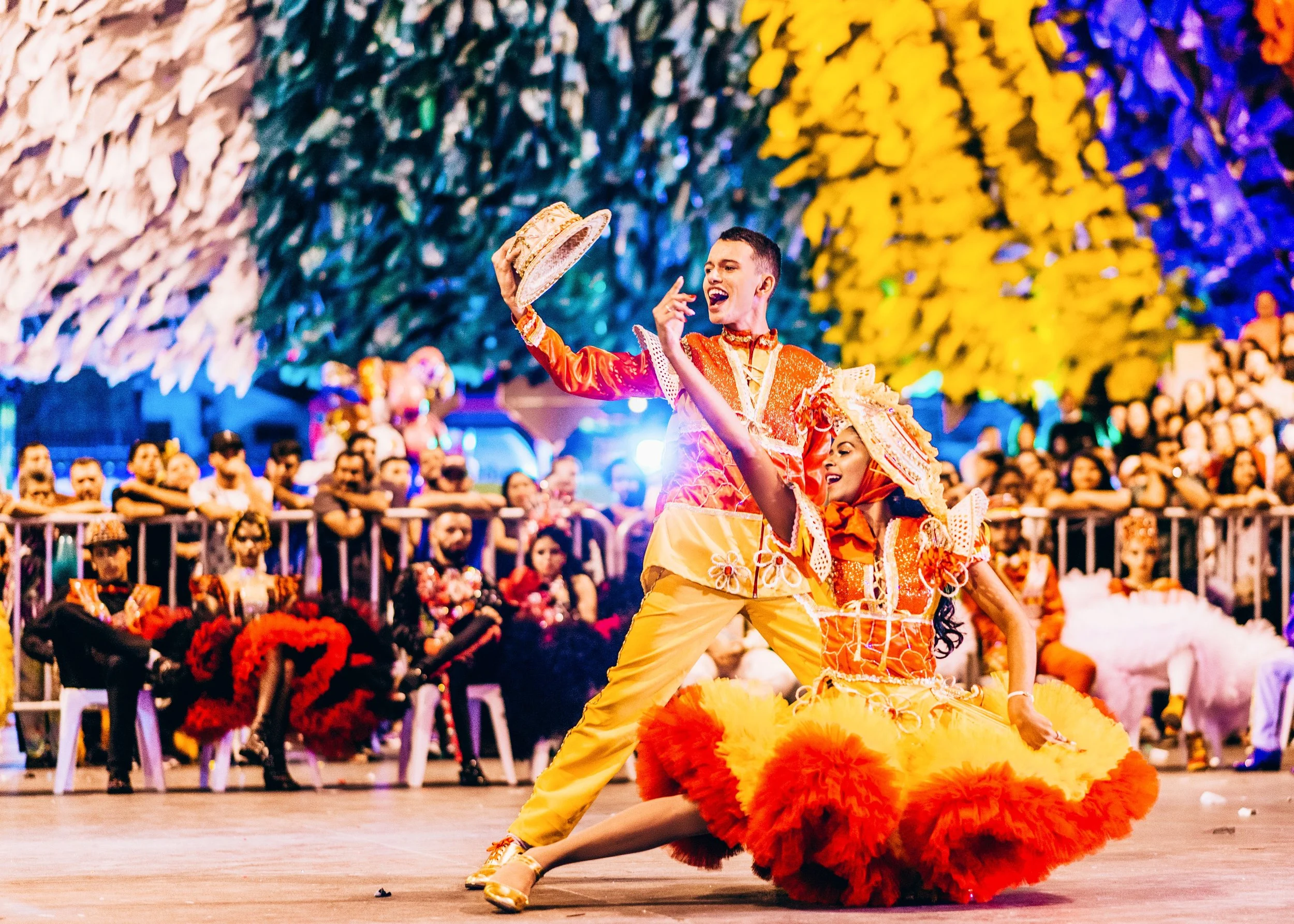
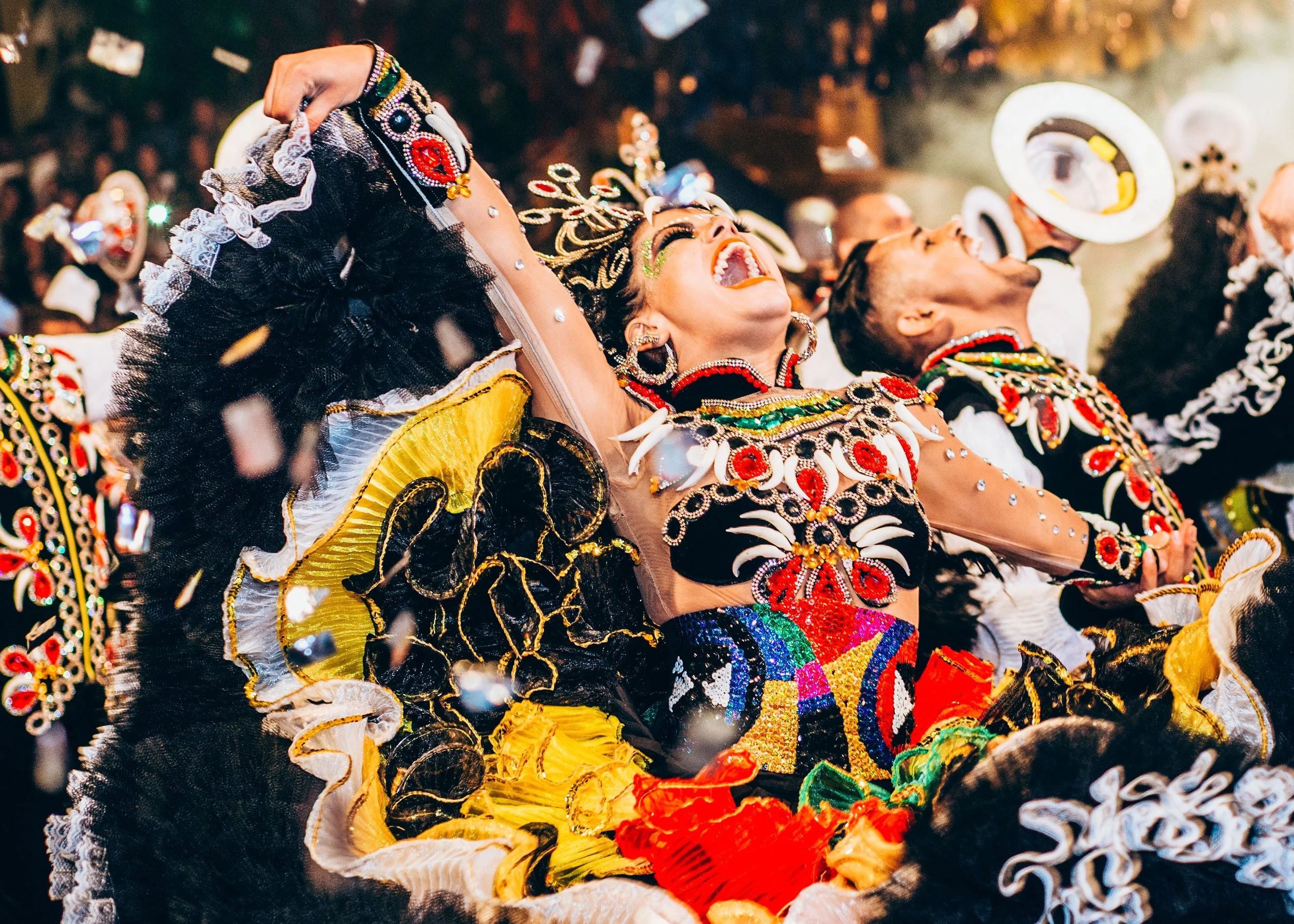
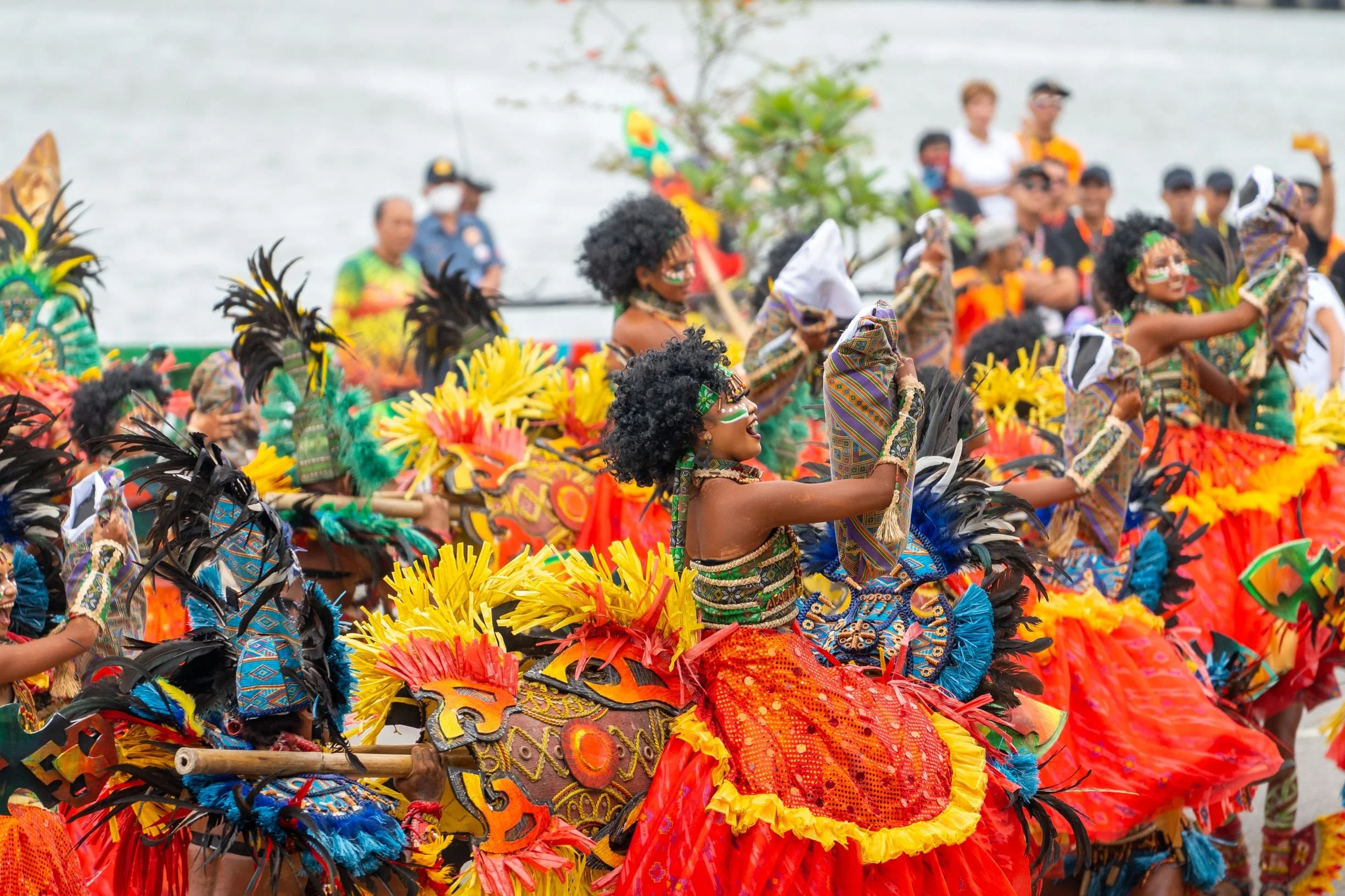
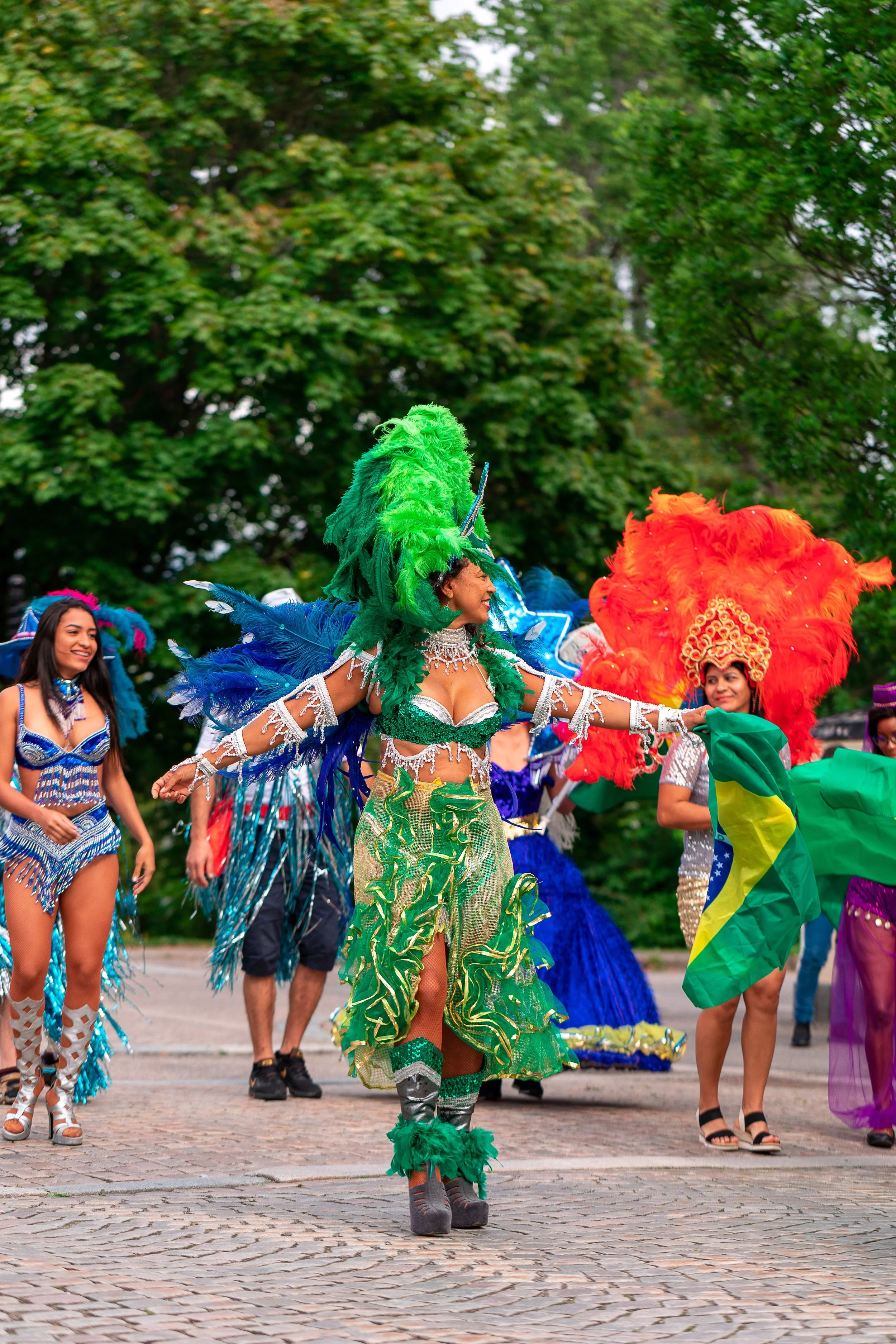
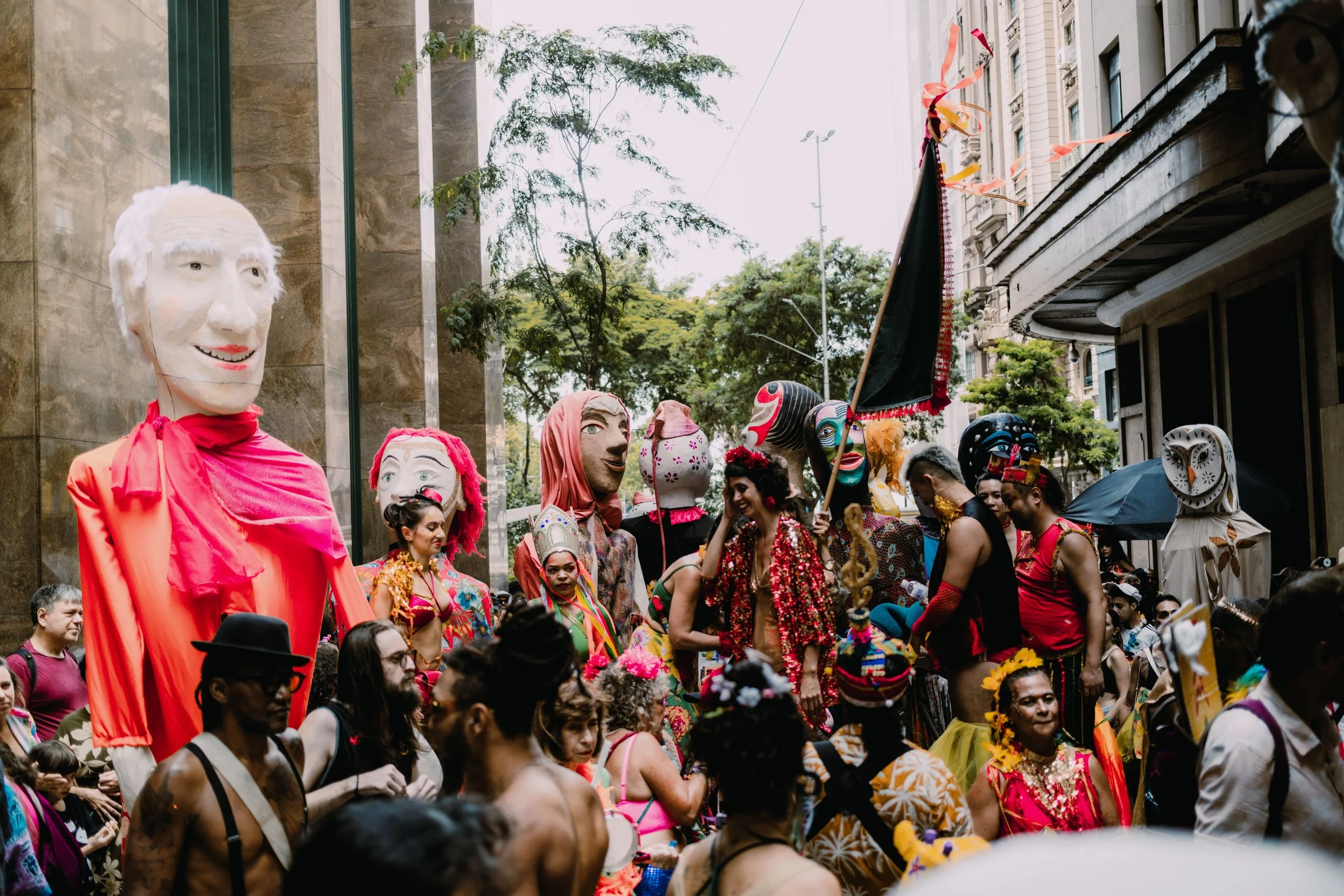
At the heart of the celebration are the samba schools, which spend months preparing for their grand performances. Each school creates its own theme, designing elaborate floats and dazzling costumes while practicing energetic samba routines. The result is a breathtaking display of creativity, music, and culture that attracts visitors from around the world.
But Carnival is more than just a parade. It is a celebration of community, creativity, and joy. From the rhythm of the samba to the colorful streets filled with people dancing and celebrating, Carnival captures the lively spirit of Brazilian culture and creates an unforgettable experience for everyone involved.
Feria de las Flores (Flower Festival) - Medellín, Colombia
Every August, Colombia comes alive with its annual Flower Festival, a colorful celebration that pays tribute to the country’s floral heritage and the resilience of its people. Although it began as a religious event in the 1950s, it has grown into one of Colombia’s most culturally significant celebrations and an important driver of tourism.
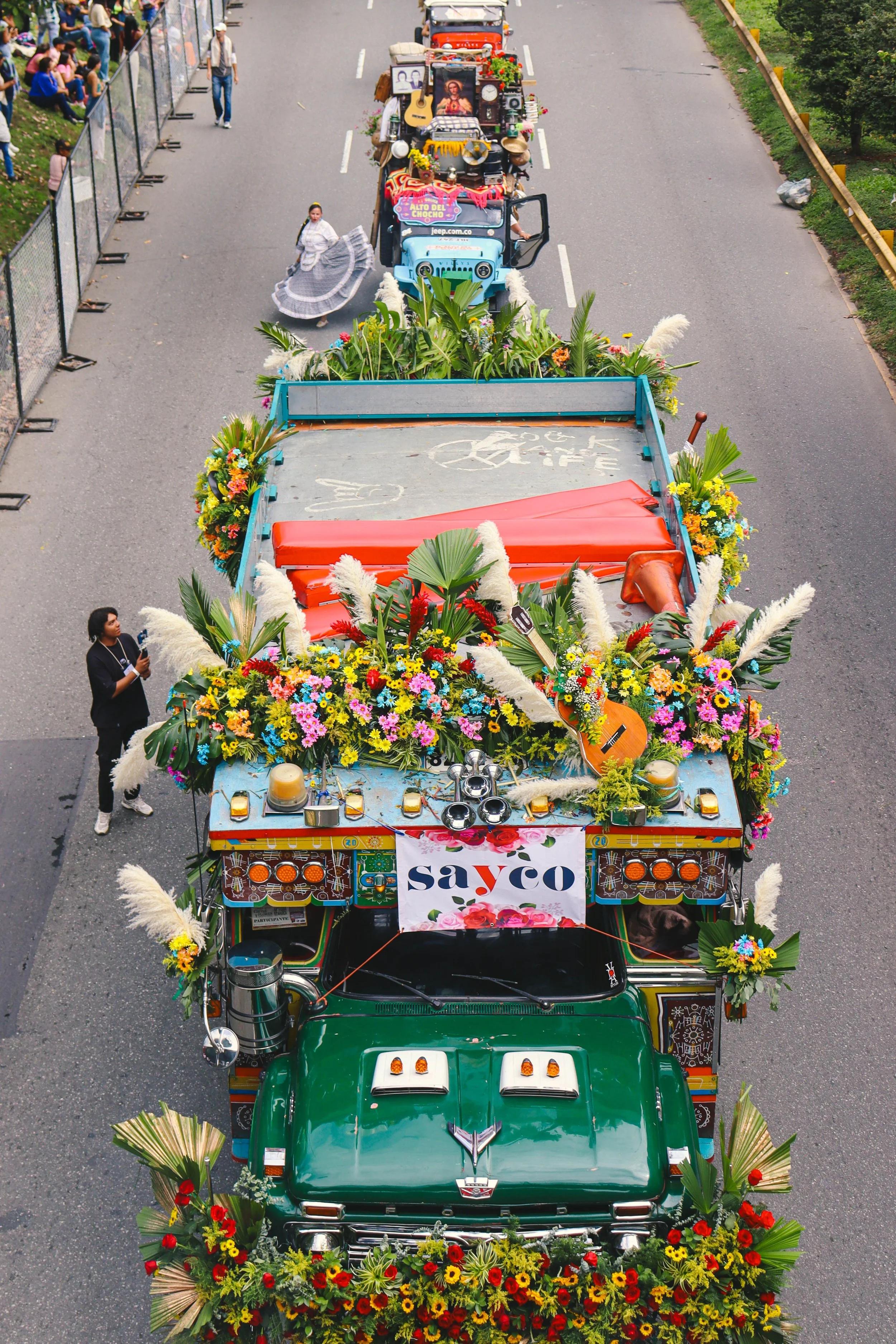
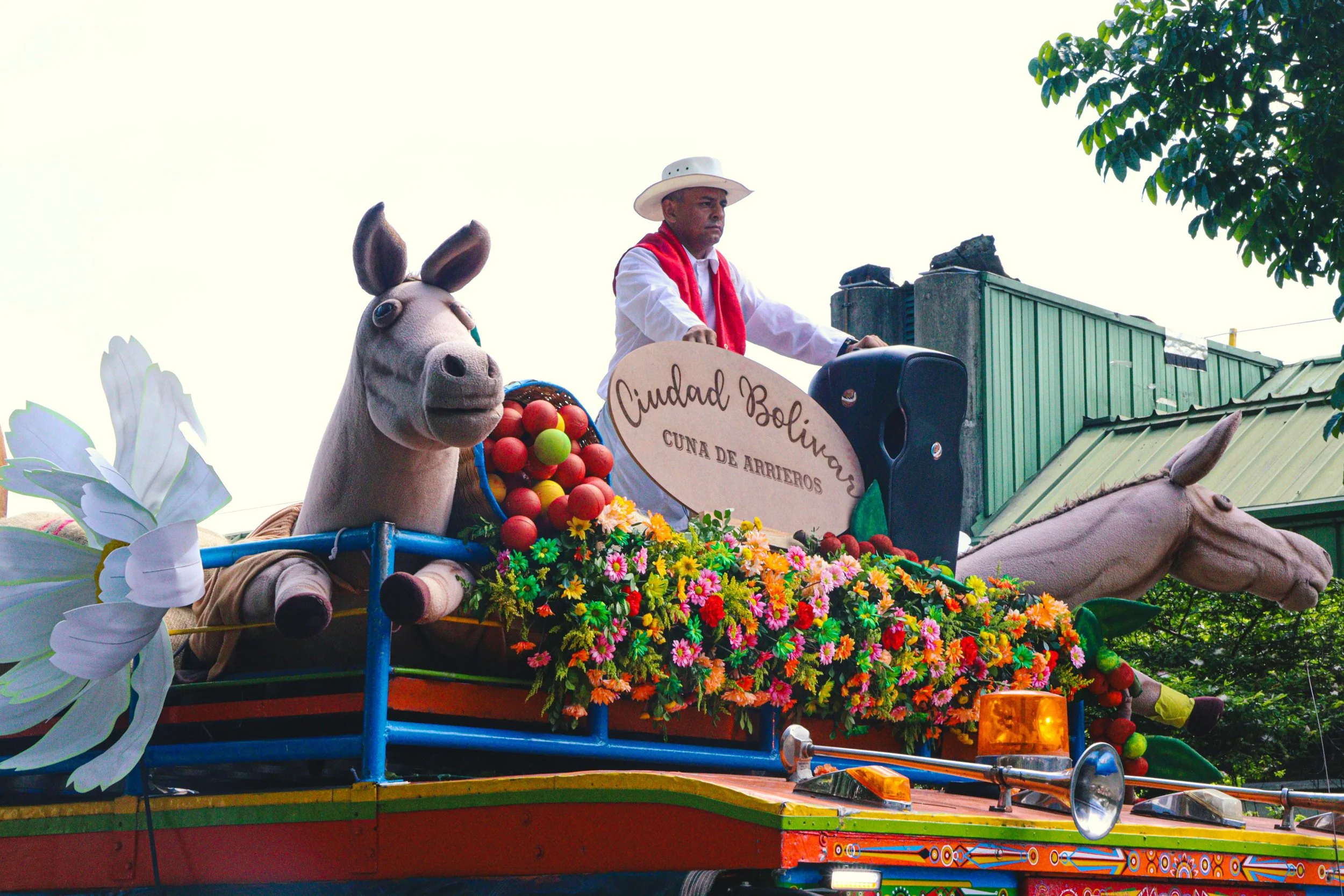
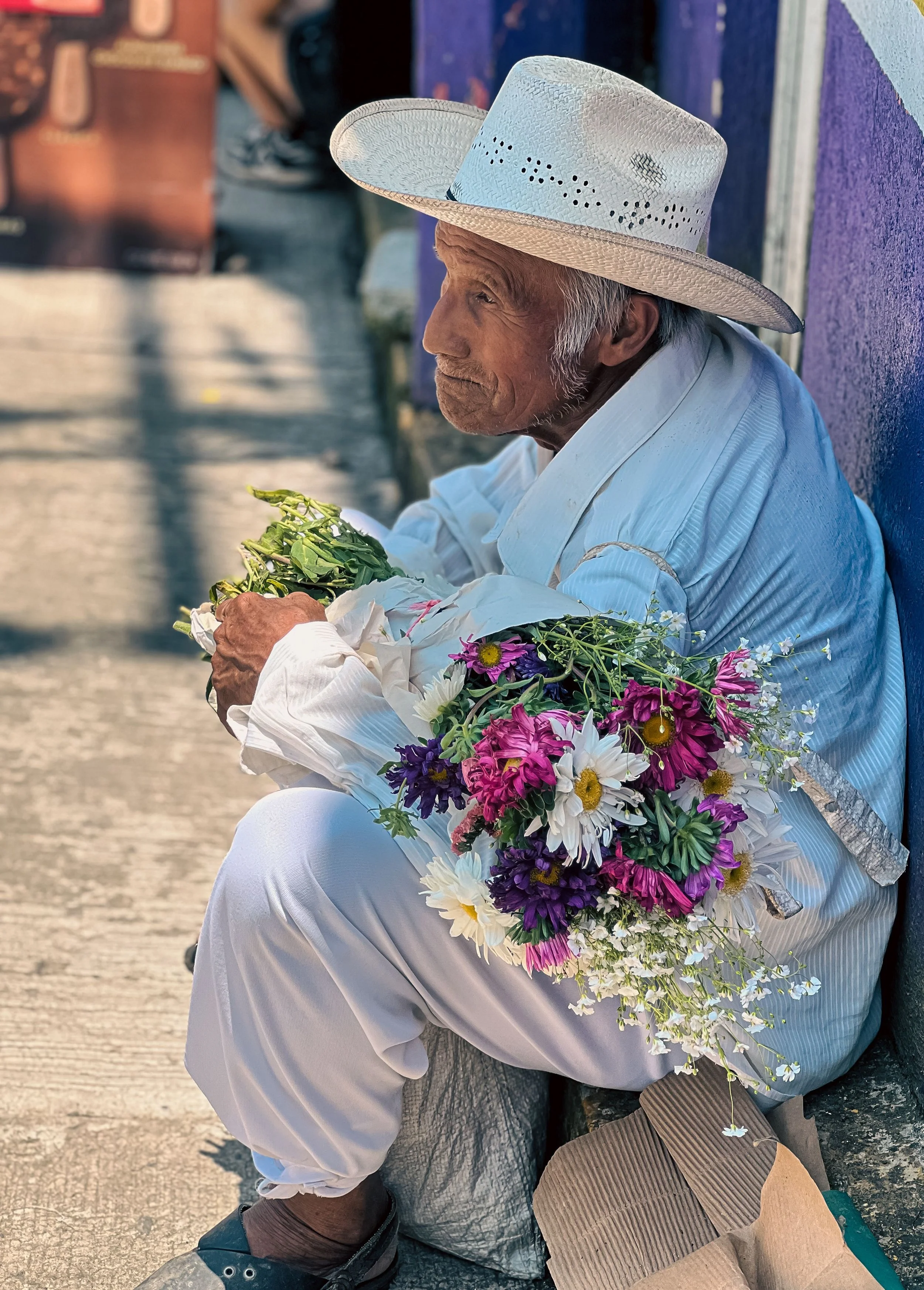
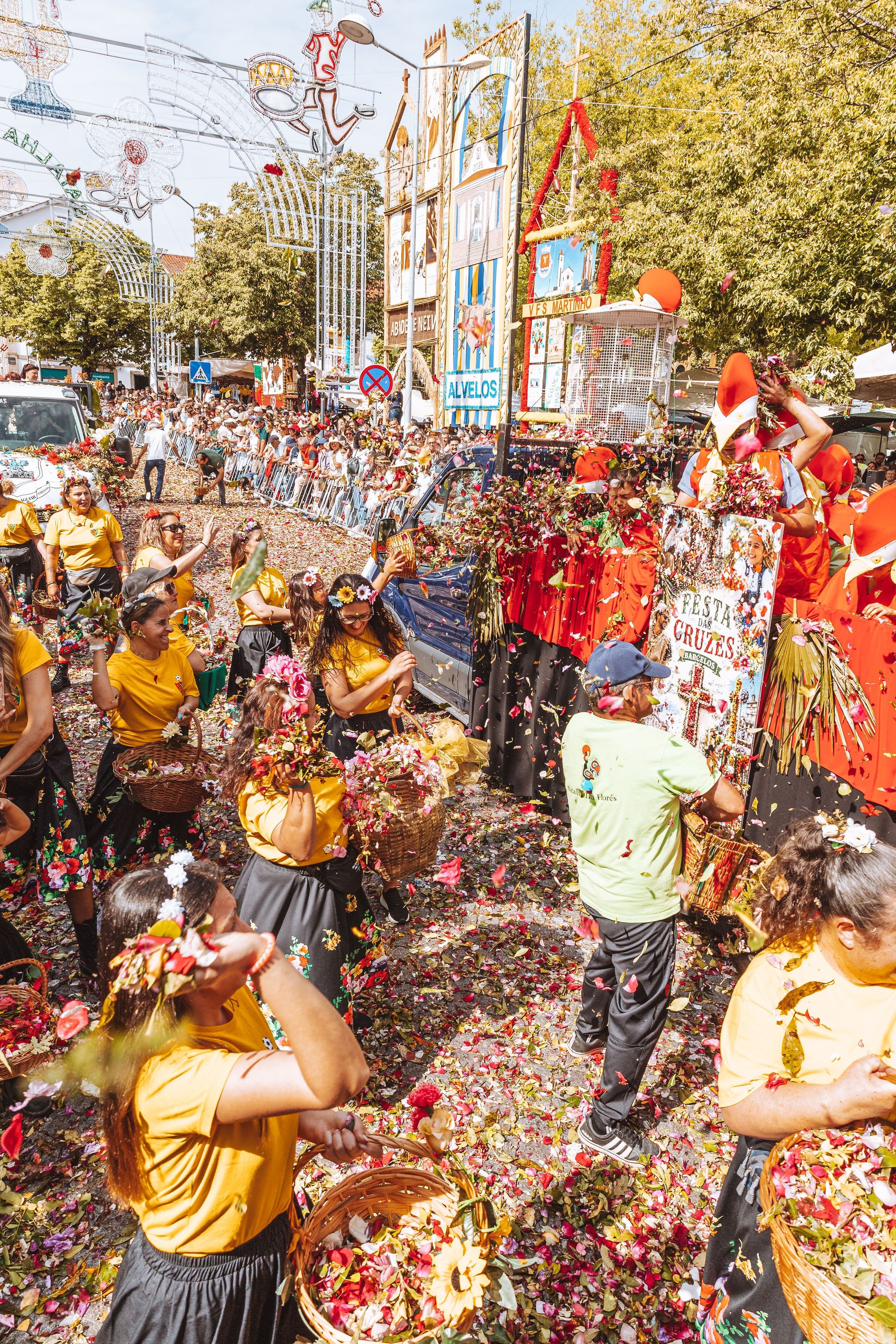
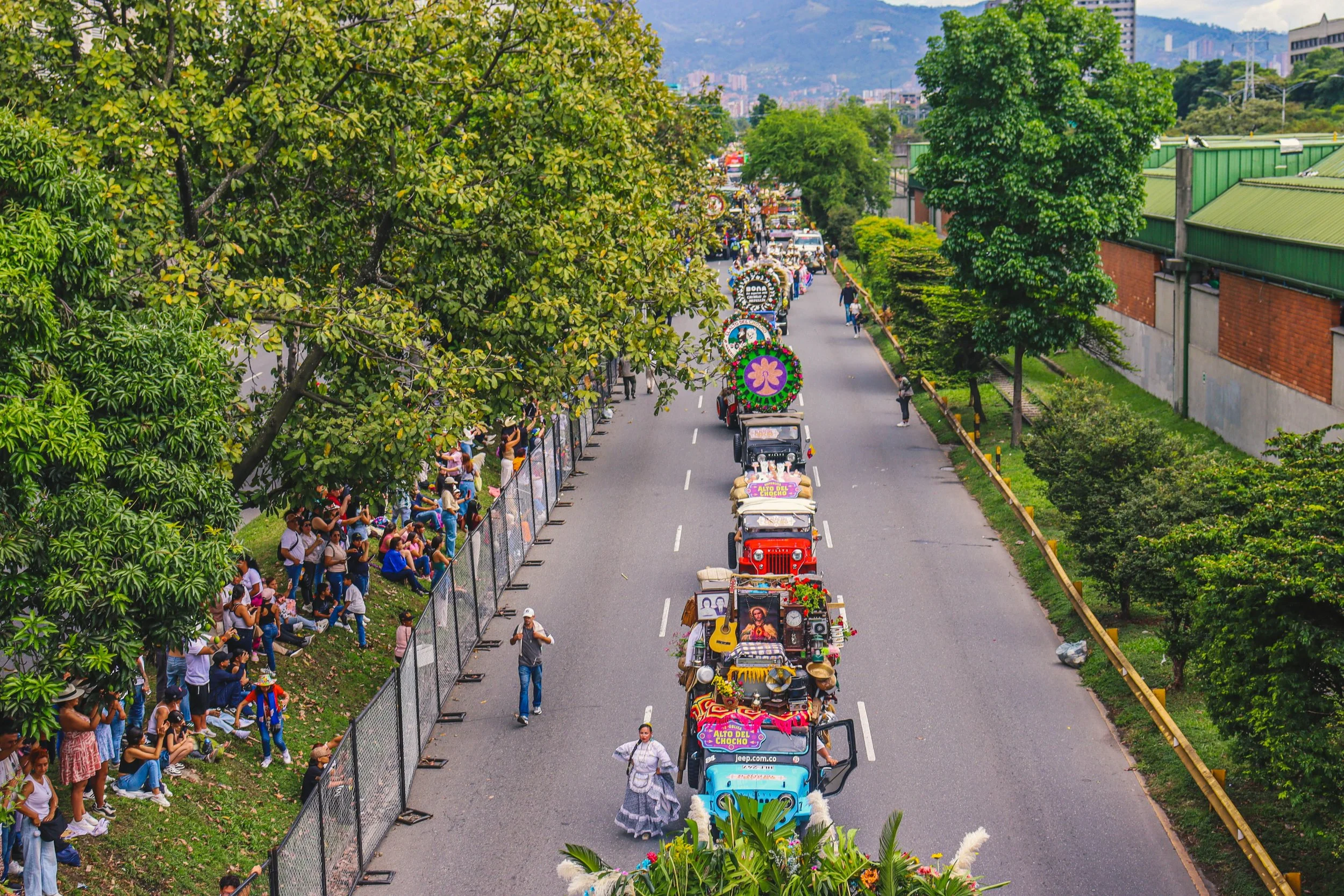
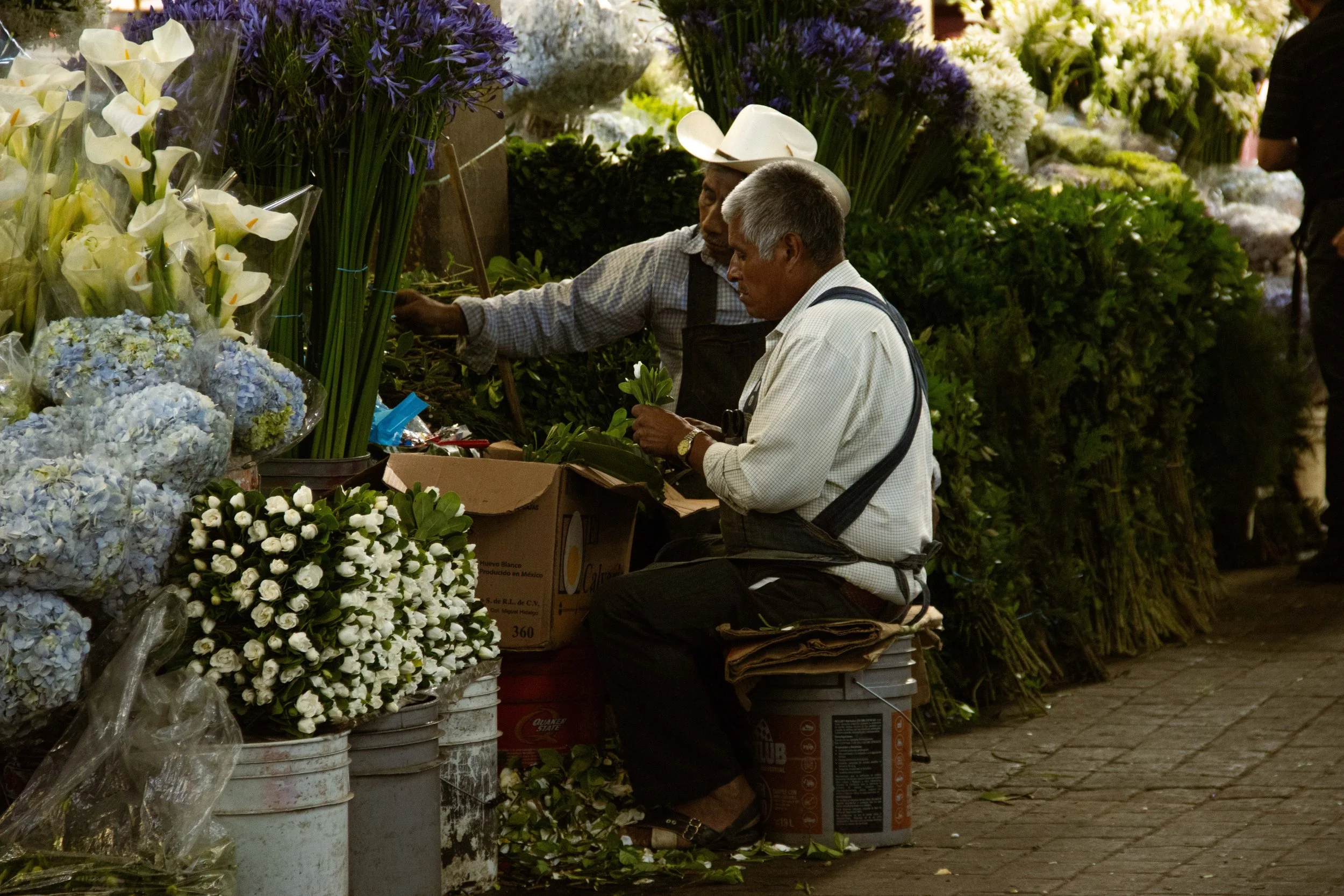
Farmers and flower growers create intricate floats and installations using fresh flowers, filling the city with color and creativity. The highlight is the Desfile de Silleteros, or Flower Growers’ Parade, where flower farmers known as silleteros carry enormous floral displays on their backs. This tradition has been passed down through generations and represents the pride, hard work, and cultural identity of Colombia’s farming communities.
The weeklong festival is about more than flowers, with musical performances, sporting competitions, and cultural events taking place throughout the city. First held in 1957 as a local celebration, the festival now attracts visitors from around the world who come to experience Colombia’s vibrant culture and floral beauty.
The Carnival of Oruro - Oruro, Bolivia
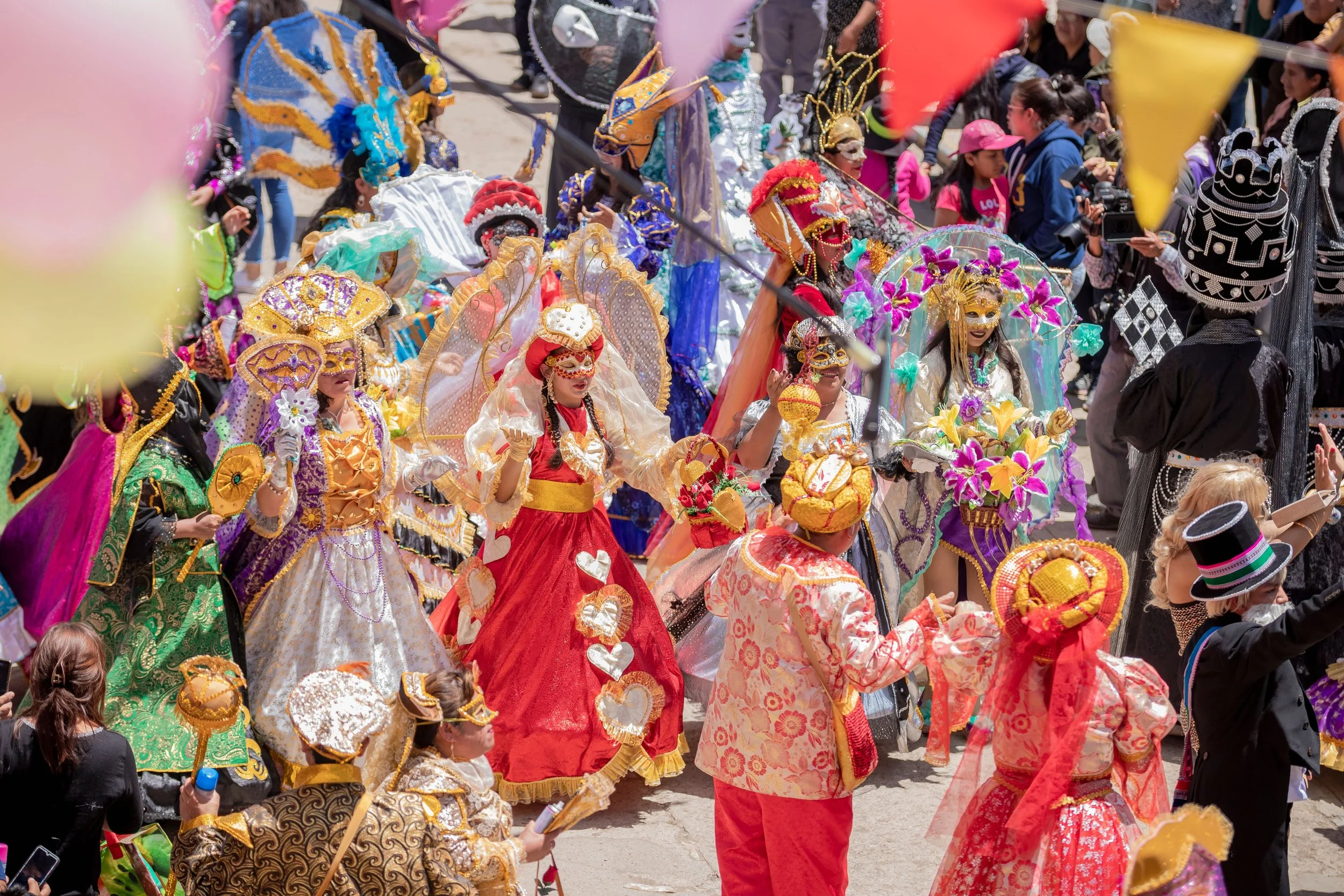
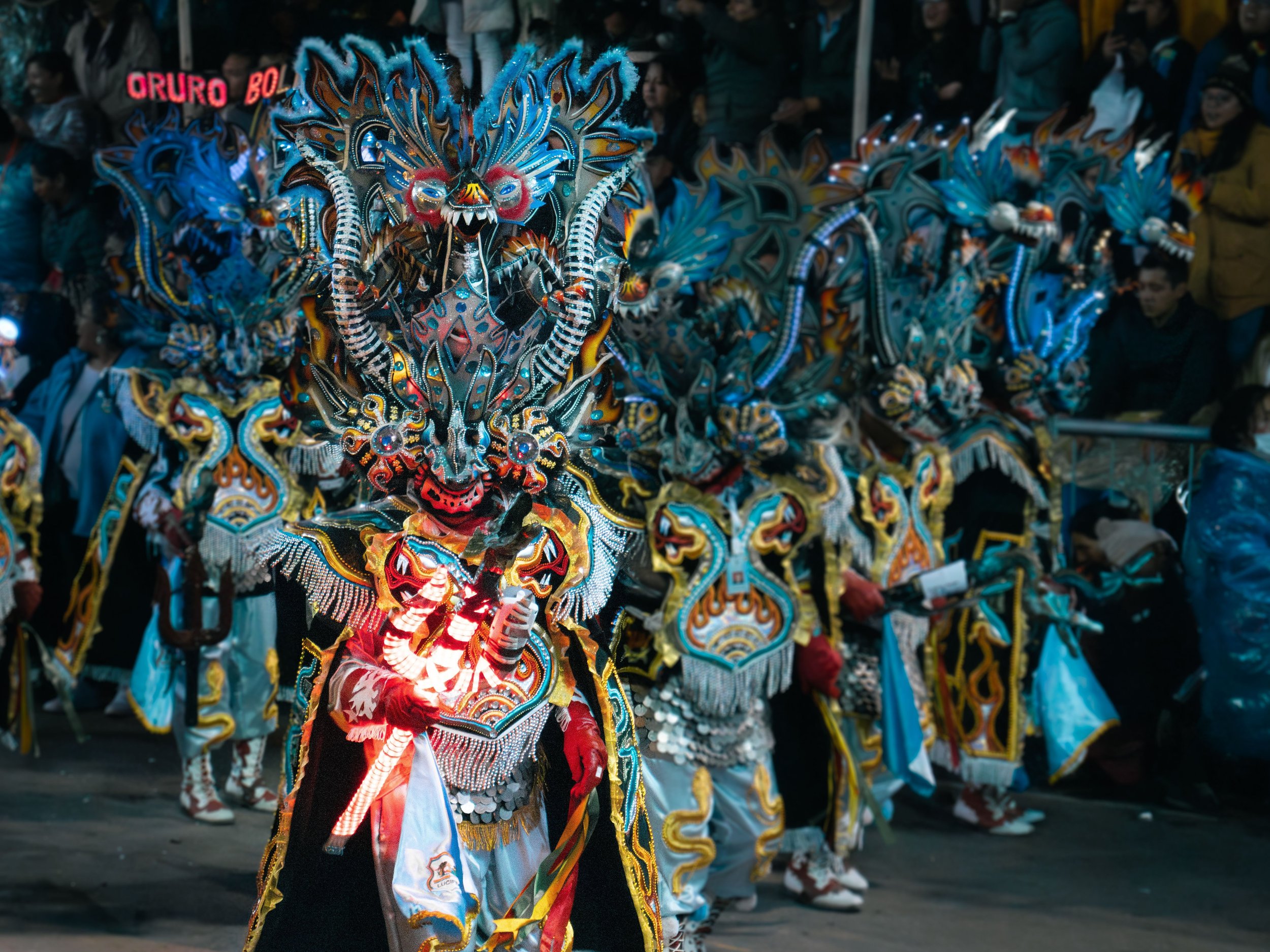
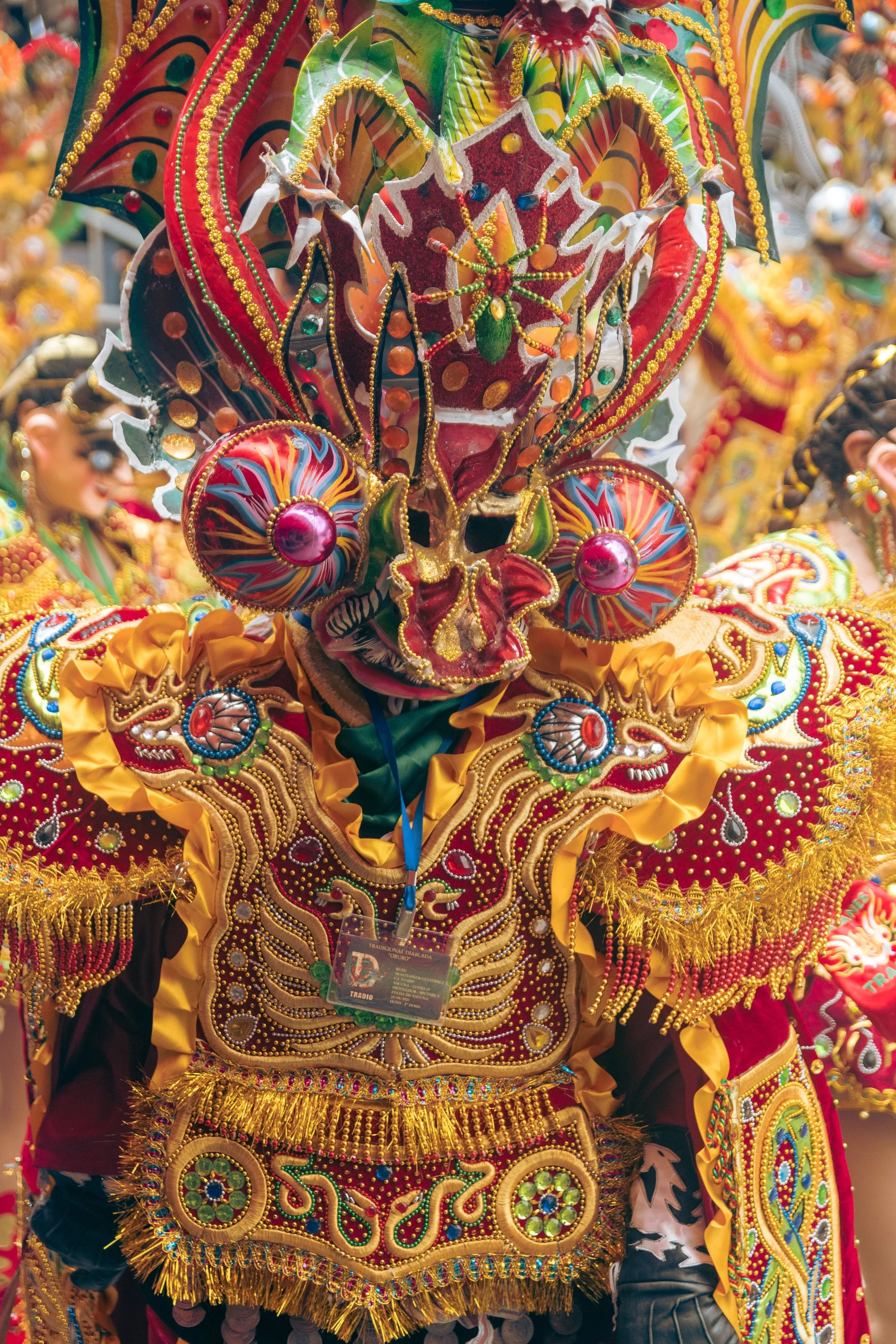
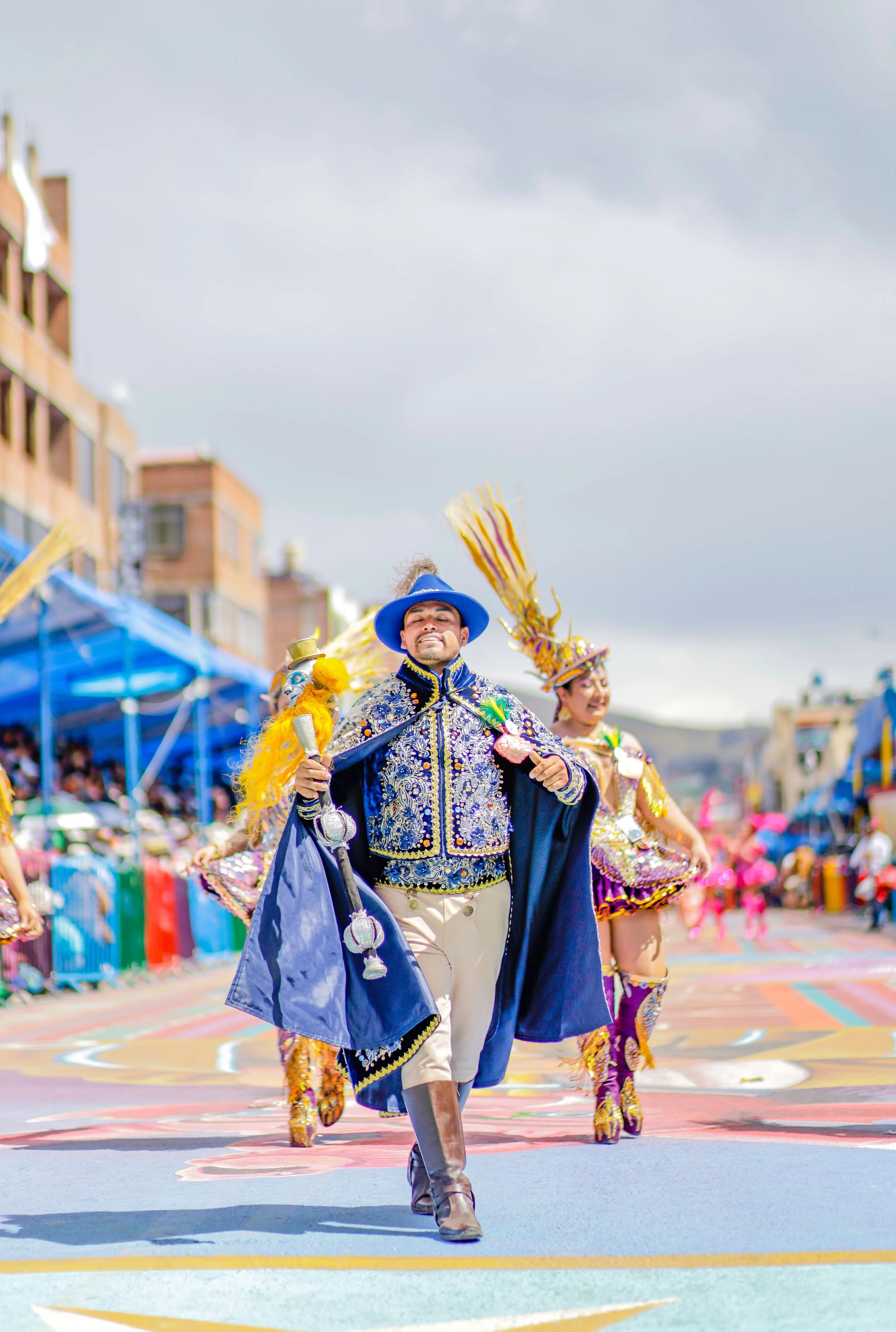
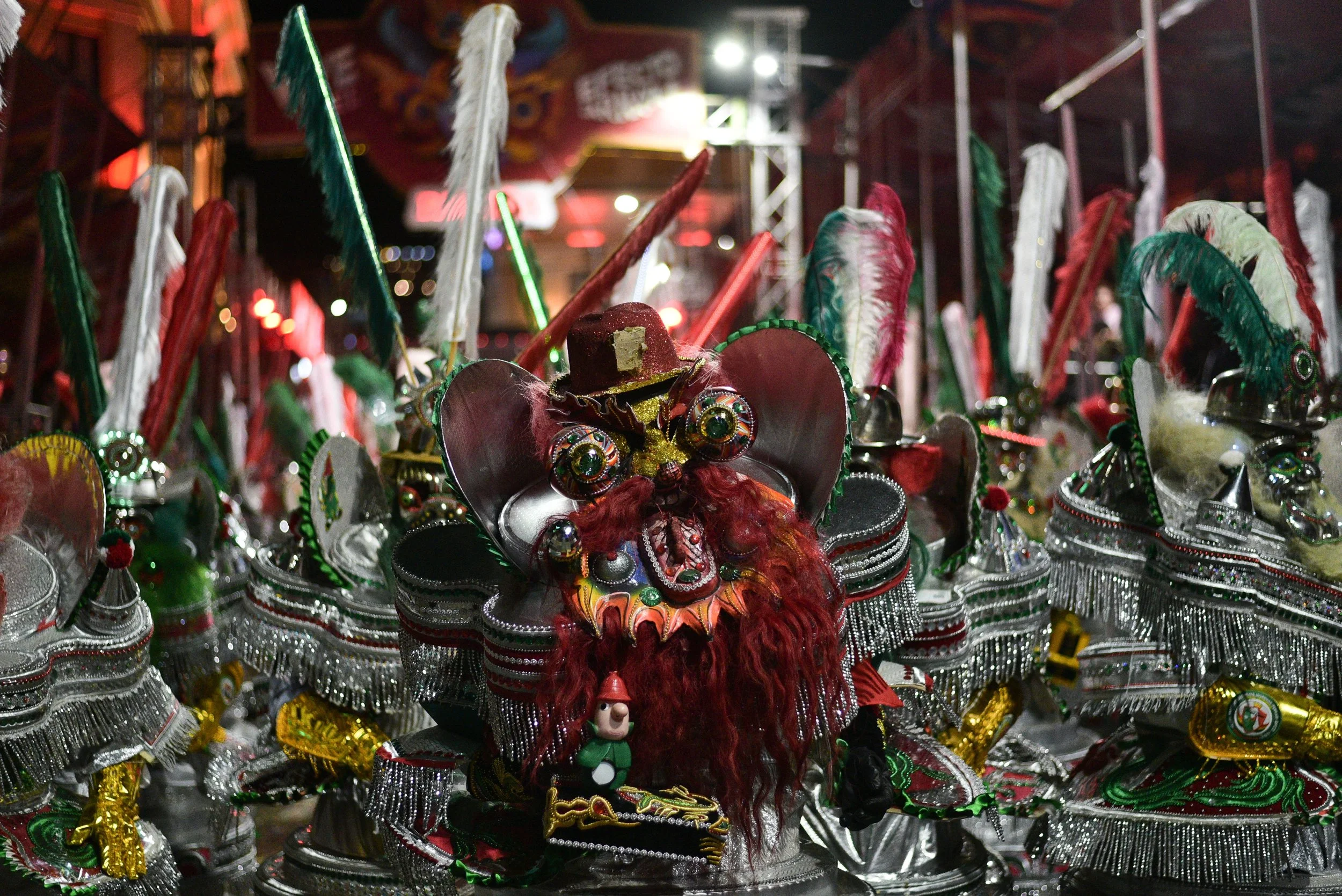
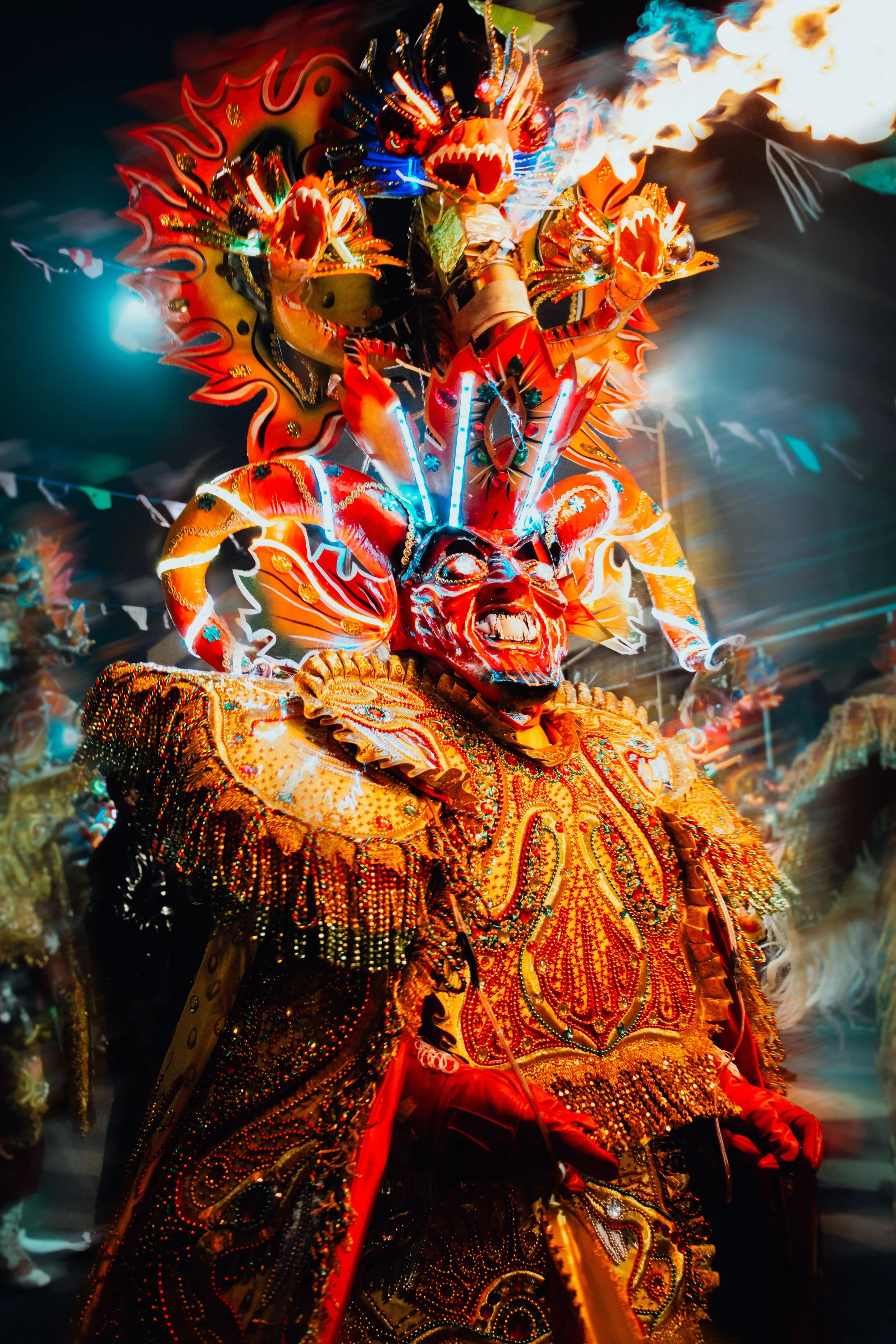
Oruro is a massive, UNESCO-recognized cultural festival that beautifully blends ancient Andean traditions with Catholic beliefs. Taking place every February or March, the festival brings together thousands of people through music, dance, elaborate costumes, and religious celebrations. One of the most famous parts of the festival is the Diablada, a dramatic and energetic dance featuring performers dressed in colorful, elaborate costumes and feathered or beaded masks. The dancers represent angels, devils, and other symbolic figures, reflecting the complex fusion of Indigenous Andean beliefs with Christian iconography. Beyond being a celebration, the festival serves as a way for communities to preserve their history, spirituality, and traditions while passing them on to younger generations.
Fiesta Nacional de la Vendimia (Anual Grape Harvest Festival) - Mendoza, Argentina
Argentina is one of the most famous wine-producing regions in the world, and the annual grape harvest is a perfect excuse to celebrate. The festivities, known as the Vendimia, take place from late February through early March and bring the streets to life with music, colorful parades, live concerts, dancing, and the election of a “Harvest Queen.”
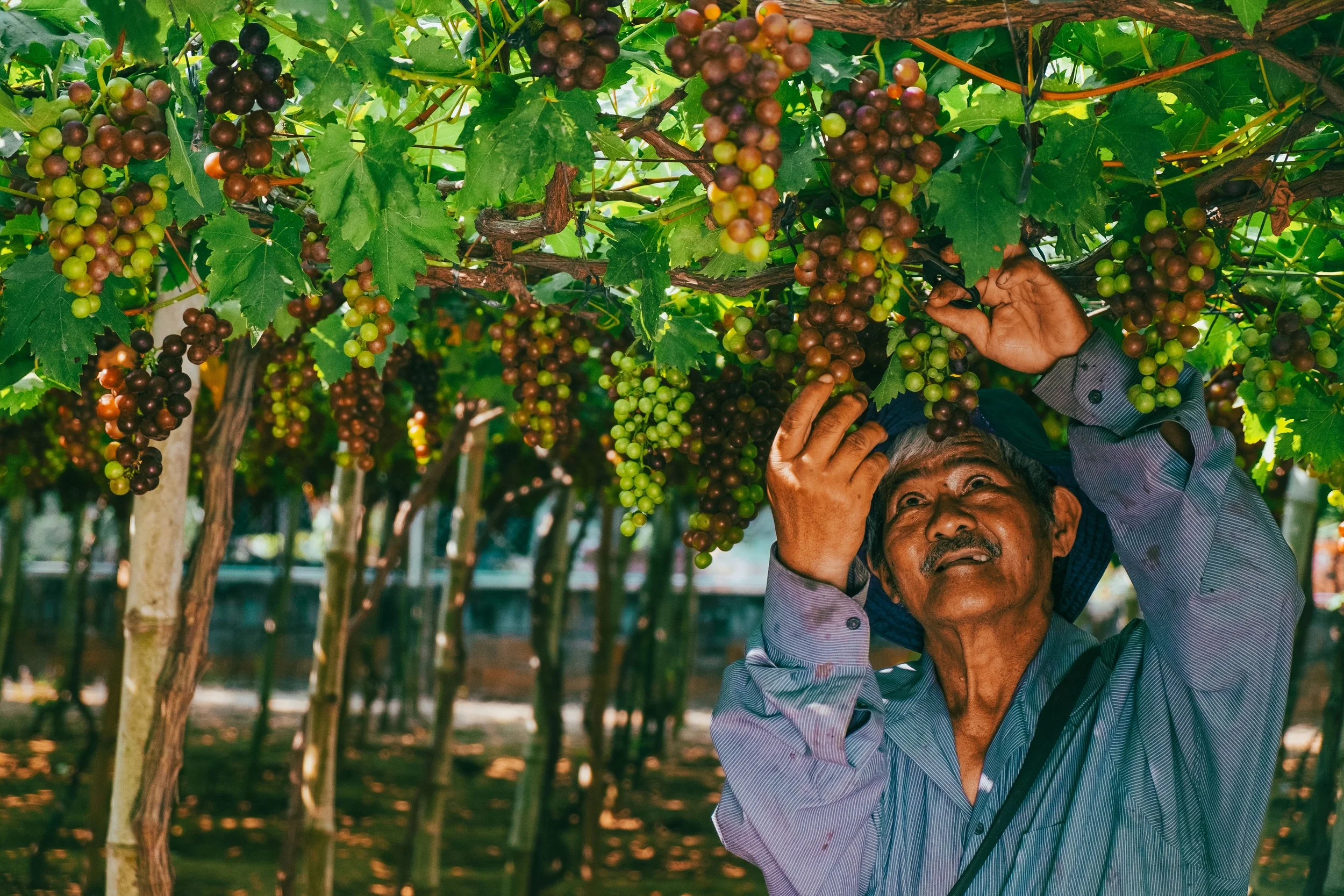
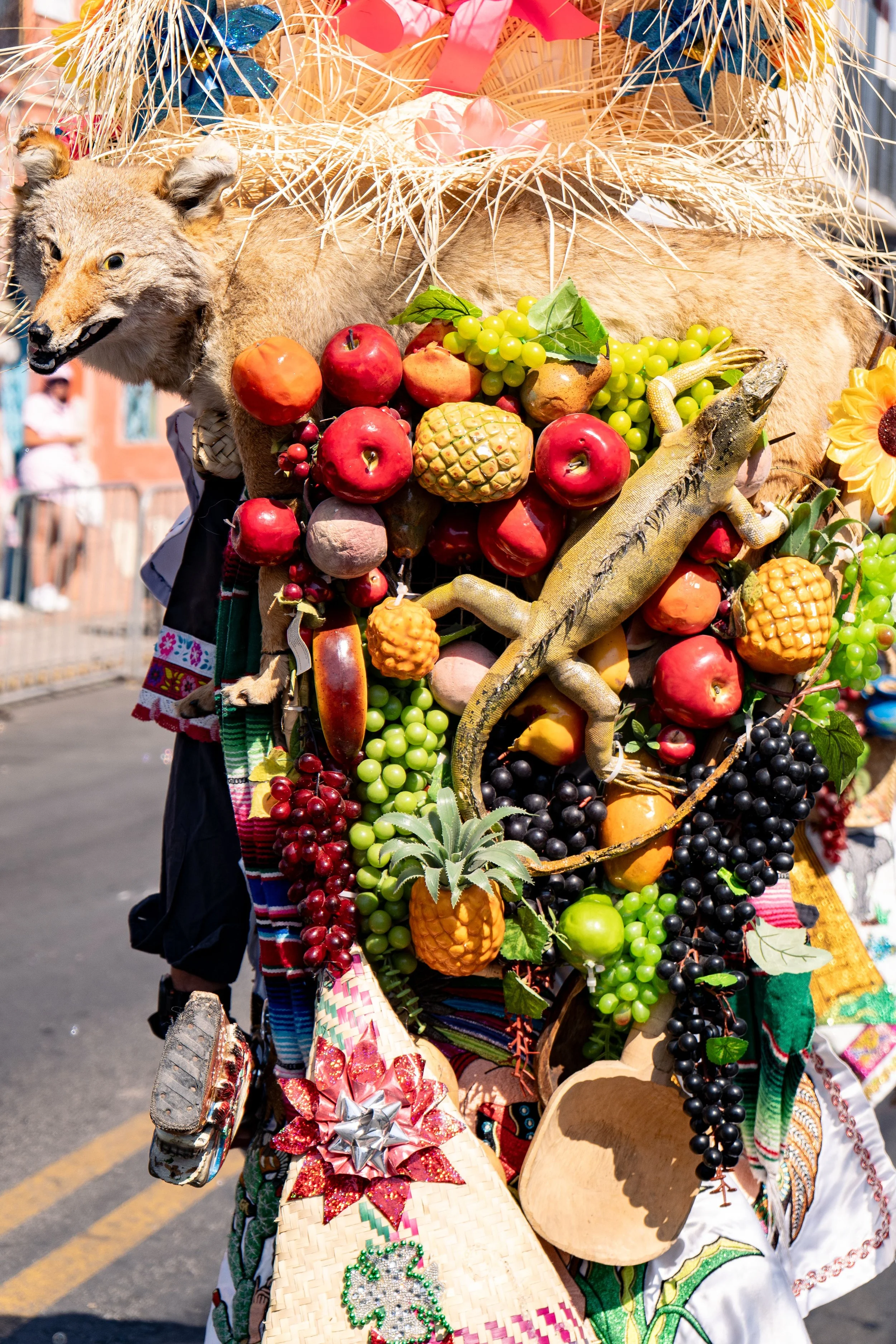
One of the highlights is the spectacular parade, where elaborately decorated floats make their way through the streets while riders toss small gifts to the crowds, creating an atmosphere similar to Mardi Gras. The celebration is not only about wine, it is also a way to honuor the hard work of the people who grow and harvest the grapes and to celebrate the region’s rich agricultural culture.
Chile has its own version of the tradition, with wine festivals held throughout the country. These celebrations often include local wine tastings, grape stomping, traditional music, dancing, and, of course, plenty of cork-popping. Whether in Argentina or Chile, these festivals are a fun and lively way to experience the importance of wine in South American culture.
Día de las Velitas (Little Candles’ Day) - Colombia
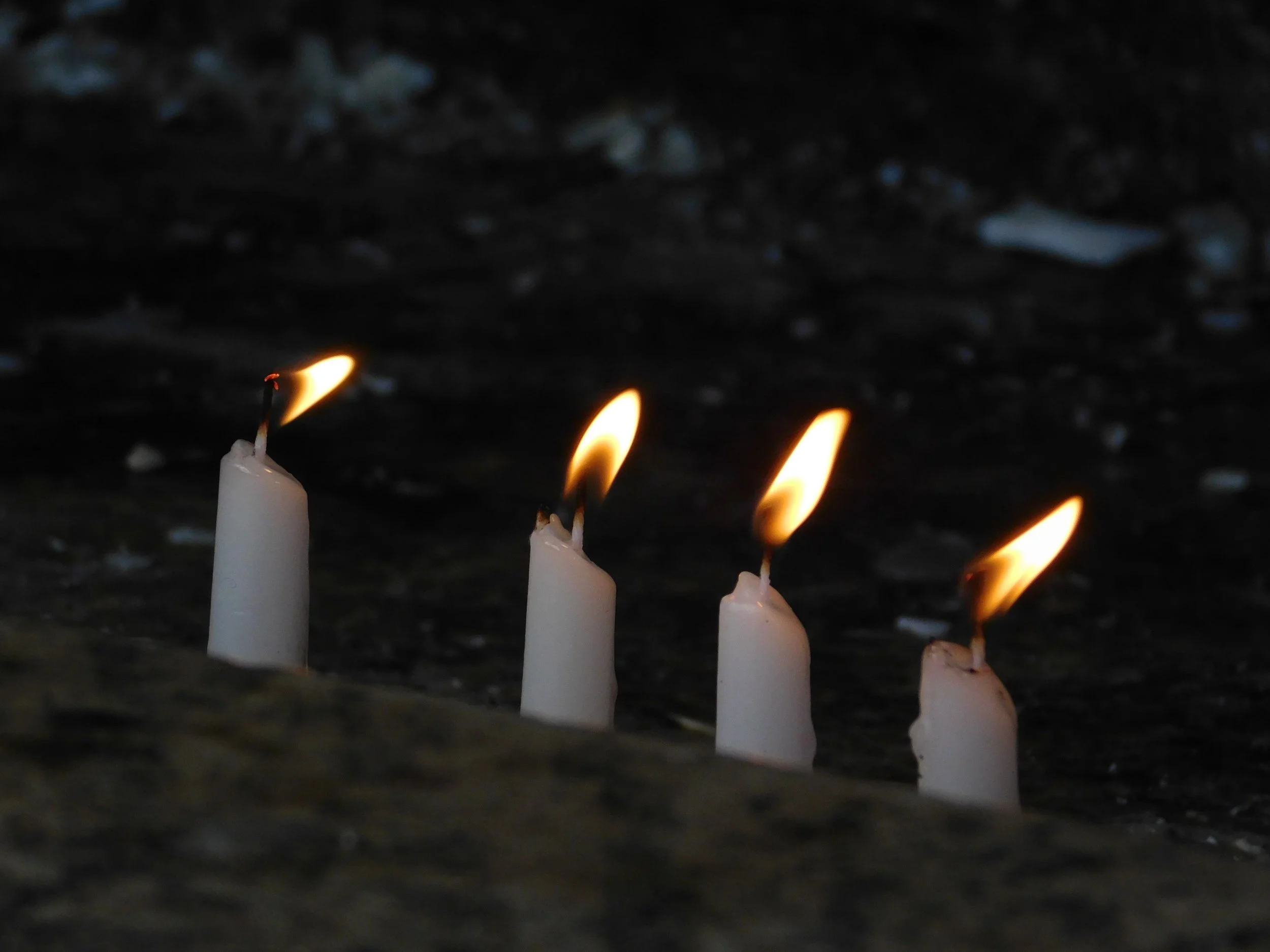
One of Colombia’s most beloved traditions, Día de las Velitas (Little Candles’ Day), takes place every December 7th. Families, friends, and neighbours light candles and colourful lanterns outside their homes, filling streets, balconies, and parks with a warm glow. The celebration marks the unofficial beginning of Colombia’s Christmas season, while December 8 is a national holiday for the Immaculate Conception.
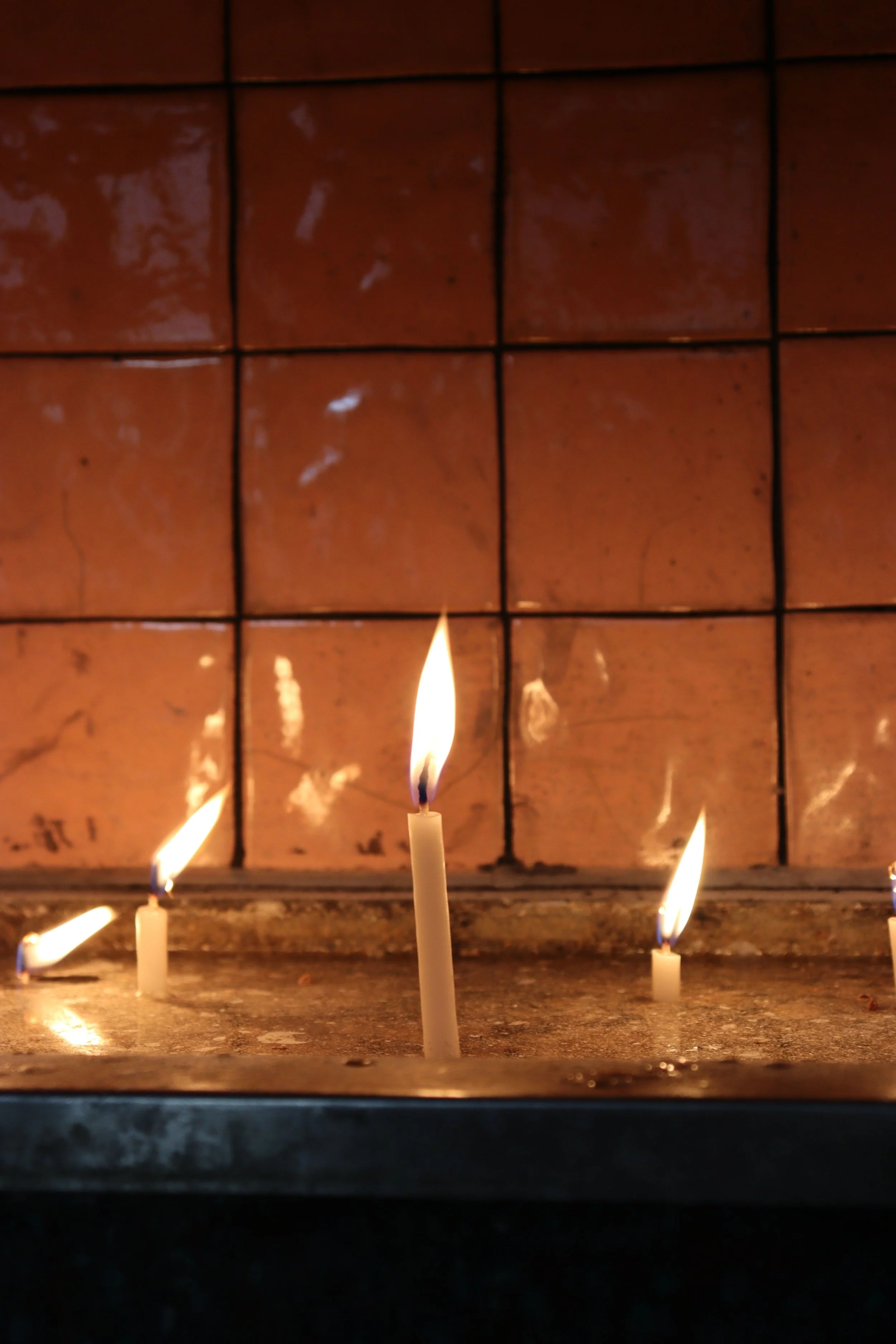
The tradition is rooted in Catholicism and is connected to Pope Pius IX’s 1854 proclamation of the Immaculate Conception of Mary. Over time, it grew beyond its religious origins into a cultural celebration of hope, faith, gratitude, peace, and togetherness.
Across Colombia, celebrations vary from simple family gatherings to elaborate displays of candles and lanterns. Cities such as Bogotá, Cali, Medellín, and Villa de Leyva are known for festive events, music, and spectacular lights.
Día de las Velitas is a special opportunity to celebrate loved ones and welcome the Christmas season. As thousands of candles light up the country, Día de las Velitas becomes a beautiful expression of Colombian culture, community, and Christmas spirit.
And If you want to participate in this beautiful tradition, make sure to check out the Candle Day Pop-ups at each campus from December 8th through December 10th in the Student Centres. 🕯️
Thank you for taking the time to read this blog! I hope you learned a little more about the traditions and cultures that make Latin America so unique, and maybe even felt inspired to visit one of these beautiful countries someday. ✨
Want to explore more about different cultures?
Check out more blogs like this one featuring different communities at Sheridan College. From movie recommendations and traditional foods to cultural celebrations and personal stories, there is always something new to discover. Who knows? You might just find your next favourite blog!

Discover new ways in which you can whimsify your wardrobe without necessarily stepping out of your comfort zone. Whether it is texture clothes, fun and colourful patterns or pins to add to your clothes you will find I hope you find a tip that is of your liking. ✨